Thai NLP คืออะไร? คู่มือการประมวลผลภาษาธรรมชาติฉบับสมบูรณ์สำหรับผู้เริ่มต้น

โดย ดร.กอบกฤตย์ วิริยะยุทธกร CEO และผู้ก่อตั้ง iApp Technology
โทรศัพท์ของคุณเข้าใจเมื่อคุณพิมพ์ภาษาไทยได้อย่างไร? AI สามารถวิเคราะห์รีวิวลูกค้าหลายพันรายการในไม่กี่วินาทีได้อย่างไร? แชทบอทรู้วิธีตอบคำถามของคุณได้อย่างไร? คำตอบคือ Natural Language Processing หรือ NLP ในคู่มือนี้ เราจะอธิบายทุกสิ่งที่คุณต้องรู้เกี่ยวกับ Thai NLP ด้วยภาษาที่เข้าใจง่าย
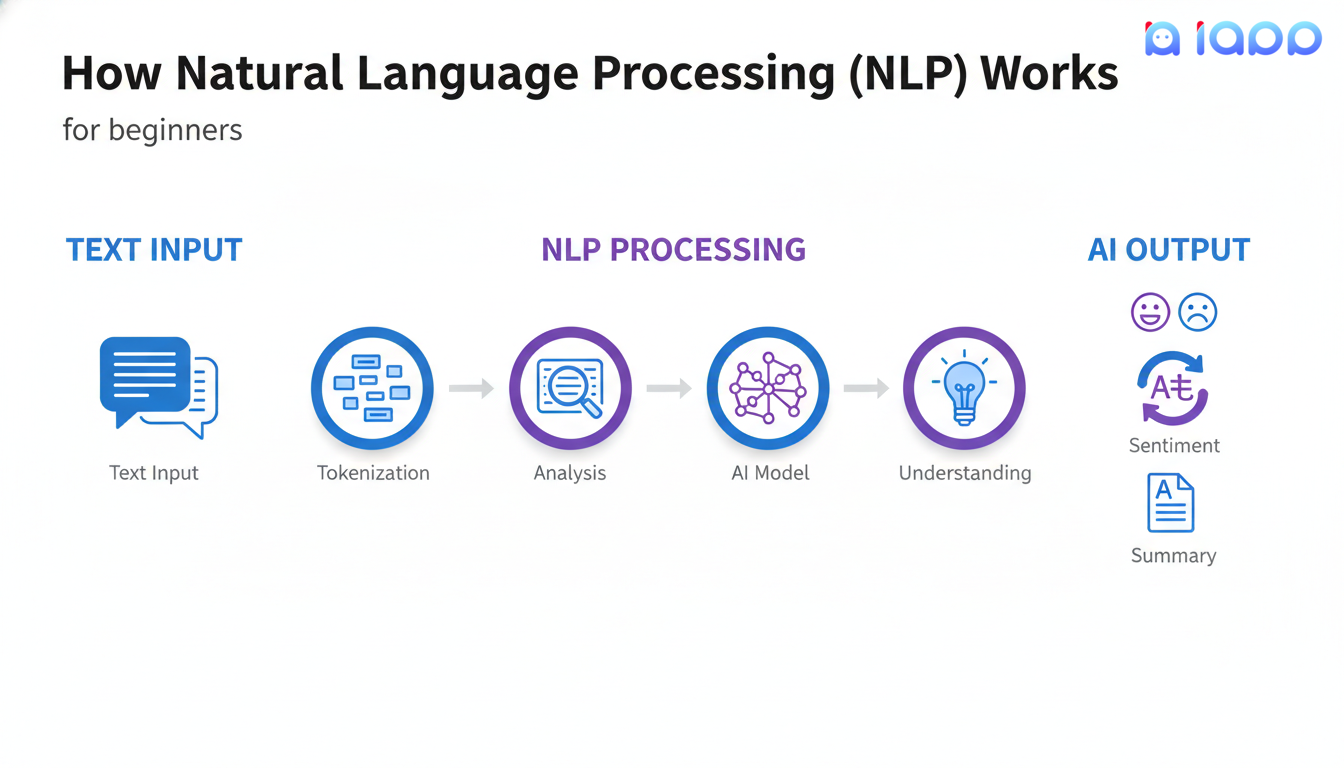
Natural Language Processing (NLP) คืออะไร?
Natural Language Processing (NLP) หรือการประมวลผลภาษาธรรมชาติ เป็นสาขาหนึ่งของปัญญาประดิษฐ์ที่ช่วยให้คอมพิวเตอร์เข้าใจ ตีความ และสร้างภาษามนุษย์ได้ มันเป็นสะพานเชื่อมระหว่างการสื่อสารของมนุษย์และความเข้าใจของคอมพิวเตอร์
การเปรียบเทียบให้เข้าใจง่าย
ลองจินตนาการว่าสอนคอมพิวเตอร์ให้อ่านและเข้าใจภาษาไทยเหมือนมนุษย์ เมื่อคุณอ่าน "วันนี้อากาศดีมาก" คุณเข้าใจทันทีว่ามันเกี่ยวกับสภาพอากาศและมีน้ำเสียงเชิงบวก NLP สอนคอมพิวเตอร์ให้ทำสิ่งเดียวกัน - เข้าใจความหมาย บริบท และแม้แต่อารมณ์ในข้อความ
อะไรทำให้ Thai NLP พิเศษ?
ภาษาไทยนำเสนอความท้าทายเฉพาะสำหรับ NLP:
-
ไม่มีช่องว่างระหว่างคำ: ข้อความภาษาไทยไม่มีช่องว่างระหว่างคำ
- ภาษาอังกฤษ: "I love Thailand"
- ภาษาไทย: "ฉันรักประเทศไทย" (ไม่มีช่องว่าง!)
-
ตัวอักษรซับซ้อน: 44 พยัญชนะ, 32 สระ, 5 วรรณยุกต์ และตัวอักษรซ้อนกัน
-
ความหมายขึ้นอยู่กับบริบท: คำเดียวกันสามารถมีความหมายต่างกันตามบริบท
-
ภาษาพูด vs ภาษาเขียน: ความแตกต่างอย่างมากระหว่างภาษาพูดและเขียน
-
คำลงท้ายและความสุภาพ: คำอย่าง "ครับ/ค่ะ" ที่แปลตรงๆ ไม่ได้
นี่คือเหตุผลที่โซลูชัน Thai NLP เฉพาะทางอย่างของ iApp จำเป็นสำหรับการประมวลผลที่แม่นยำ
5 คำศัพท์สำคัญที่คุณต้องรู้
ก่อนลงลึก มาทำความเข้าใจศัพท์ NLP ที่มักทำให้ผู้เริ่มต้นสับสน:
1. Tokenization (การตัดคำ)
Tokenization คือกระบวนการแบ่งข้อความออกเป็นหน่วยย่อยที่เรียกว่า tokens สำหรับภาษาอังกฤษ มันง่าย - คำถูกแยกด้วยช่องว่าง สำหรับภาษาไทย มันซับซ้อนเพราะไม่มีช่องว่าง!
ภาษาอังกฤษ:
Input:  "I love Thailand"
Output: ["I", "love", "Thailand"]
ภาษาไทย:
Input:  "ฉันรักประเทศไทย"
Output: ["ฉัน", "รัก", "ประเทศไทย"]
ทำไมถึงสำคัญ: Tokenization เป็นพื้นฐานของงาน NLP ทั้งหมด หากไม่มีการตัดคำที่ถูกต้อง Thai NLP ไม่สามารถทำงานได้อย่างถูกต้อง
2. Sentiment Analysis (การวิเคราะห์ความรู้สึก)
Sentiment Analysis กำหนดโทนอารมณ์ของข้อความ - บวก ลบ หรือกลาง
| ข้อความ | ความรู้สึก | คะแนน |
|---|---|---|
| "สินค้าดีมาก ชอบมาก" | บวก | 0.95 |
| "บริการแย่มาก" | ลบ | 0.89 |
| "ร้านเปิด 9 โมง" | กลาง | 0.72 |
ทำไมถึงสำคัญ: ธุรกิจใช้ sentiment analysis เพื่อเข้าใจความคิดเห็นลูกค้าจากรีวิวหลายพันรายการโดยอัตโนมัติ
3. Named Entity Recognition (NER)
Named Entity Recognition ระบุและจำแนก named entities ในข้อความเป็นหมวดหมู่ เช่น ชื่อคน องค์กร สถานที่ วันที่ ฯลฯ
Input: "นายสมชาย ทำงานที่ บริษัท ไอแอพ ในกรุงเทพฯ"
Output:
- "นายสมชาย" → PERSON
- "บริษัท ไอแอพ" → ORGANIZATION
- "กรุงเทพฯ" → LOCATION
ทำไมถึงสำคัญ: NER ช่วยดึงข้อมูลที่มีโครงสร้างจากข้อความที่ไม่มีโครงสร้าง จำเป็นสำหรับ data mining และ information retrieval
4. Part-of-Speech (POS) Tagging
Part-of-Speech Tagging ติดป้ายแต่ละคำด้วยหมวดหมู่ไวยากรณ์ (คำนาม, กริยา, คำคุณศัพท์ ฯลฯ)
Input: "แมว กิน ปลา"
Output:
- "แมว" → NOUN (คำนาม)
- "กิน" → VERB (กริยา)
- "ปลา" → NOUN (คำนาม)
ทำไมถึงสำคัญ: POS tagging ช่วยให้ระบบ NLP เข้าใจโครงสร้างประโยคและความสัมพันธ์ของคำ
5. Text Embedding
Text Embedding แปลงข้อความเป็นเวกเตอร์ตัวเลขที่จับความหมายเชิงอรรถศาสตร์ ความหมายที่คล้ายกันให้ผลลัพธ์เวกเตอร์ที่คล้ายกัน
"สุนัข" → [0.2, 0.8, 0.1, ...]
"หมา"  → [0.21, 0.79, 0.11, ...]  // คล้ายกัน!
"รถยนต์" → [0.7, 0.1, 0.5, ...]   // แตกต่าง
ทำไมถึงสำคัญ: Embeddings ทำให้การค้นหาเชิงอรรถศาสตร์เป็นไปได้ ค้นหาเนื้อหาตามความหมายแทนการจับคู่คำหลักที่แน่นอน
ทำไม Thai NLP ถึงสำคัญ?
1. Digital Thailand Initiative
ประเทศไทยกำลังเปลี่ยนบริการภาครัฐและธุรกิจให้เป็นดิจิทัลอย่างรวดเร็ว NLP ช่วยให้:
- ประมวลผลเอกสารอัตโนมัติ
- บริการลูกค้าอัจฉริยะ
- เครื่องมือค้นหาอัจฉริยะสำหรับเนื้อหาไทย
2. Business Intelligence
เข้าใจความคิดเห็นลูกค้าในระดับใหญ่:
- วิเคราะห์รีวิวหลายพันรายการในไม่กี่วินาที
- ติดตาม sentiment แบรนด์บนโซเชียลมีเดีย
- ระบุหัวข้อและข้อกังวลที่กำลังเป็นที่นิยม
3. ทลายกำแพงภาษา
การแปลและการสื่อสารที่ขับเคลื่อนด้วย NLP:
- การแปลไทย-อังกฤษแบบเรียลไทม์
- บริการลูกค้าหลายภาษา
- การสื่อสารทางธุรกิจข้ามพรมแดน
4. การเข้าถึง
ทำให้เทคโนโลยีเข้าถึงได้สำหรับผู้พูดภาษาไทยทุกคน:
- ผู้ช่วยเสียงที่เข้าใจภาษาไทย
- Text-to-speech สำหรับผู้พิการทางสายตา
- คำบรรยายอัตโนมัติสำหรับเนื้อหาภาษาไทย
Thai NLP แก้ปัญหาอะไรได้บ้าง?
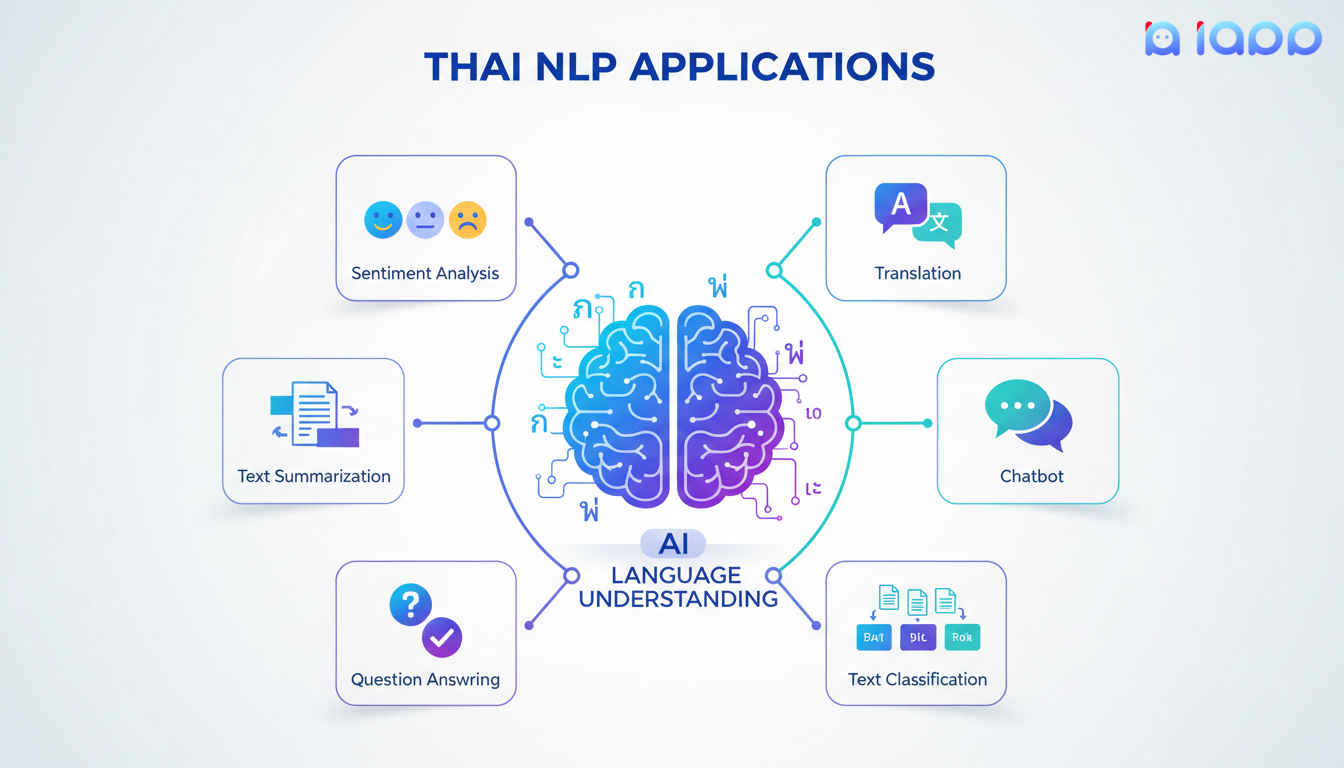
Sentiment Analysis
- ความคิดเห็นลูกค้า: จำแนกรีวิวว่าบวก/ลบโดยอัตโนมัติ
- การติดตามโซเชียลมีเดีย: ติดตาม sentiment แบรนด์แบบเรียลไทม์
- การวิจัยตลาด: เข้าใจความคิดเห็นสาธารณะเกี่ยวกับผลิตภัณฑ์/บริการ
Translation
- การสื่อสารทางธุรกิจ: แปลเอกสารระหว่างภาษาไทยและ 27+ ภาษา
- E-commerce: ปรับคำอธิบายสินค้าให้เหมาะกับตลาดไทย
- การท่องเที่ยว: ให้บริการข้อมูลหลายภาษา
Text Summarization
- การรวบรวมข่าว: สรุปบทความยาวๆ เป็นประเด็นสำคัญ
- การตรวจสอบเอกสาร: เข้าใจรายงานยาวๆ ได้อย่างรวดเร็ว
- บันทึกการประชุม: สร้างสรุปกระชับจากการถอดเสียง
Chatbots และ Virtual Assistants
- บริการลูกค้า: สนับสนุนอัตโนมัติ 24/7 เป็นภาษาไทย
- FAQ อัตโนมัติ: คำตอบทันทีสำหรับคำถามที่พบบ่อย
- การสร้าง Lead: คัดกรองผู้มีโอกาสเป็นลูกค้าผ่านการสนทนา
Question Answering
- ฐานความรู้: สร้างระบบ FAQ อัจฉริยะ
- ค้นหาเอกสาร: ค้นหาคำตอบในคอลเลกชันเอกสารขนาดใหญ่
- เครื่องมือการศึกษา: สร้างประสบการณ์การเรียนรู้แบบโต้ตอบ
Text Classification
- การจัดส่งอีเมล: จัดหมวดหมู่ ticket สนับสนุนโดยอัตโนมัติ
- การกลั่นกรองเนื้อหา: ตรวจจับเนื้อหาที่ไม่เหมาะสม
- การจัดระเบียบเอกสาร: ติดแท็กและจัดหมวดหมู่เอกสารอัตโนมัติ
Thai NLP ทำงานอย่างไร?
มาแบ่งกระบวนการ NLP ทีละขั้นตอน:
ขั้นตอนที่ 1: การประมวลผลข้อความเบื้องต้น
ข้อความดิบถูกทำความสะอาดและทำให้เป็นมาตรฐาน:
- ลบอักขระพิเศษและการจัดรูปแบบ
- แปลงเป็น encoding ที่สอดคล้องกัน (UTF-8)
- จัดการปัญหาเฉพาะภาษาไทย (วรรณยุกต์, สระ)
ขั้นตอนที่ 2: Tokenization (การตัดคำ)
ข้อความภาษาไทยถูกแบ่งเป็นคำโดยใช้อัลกอริทึมเฉพาะทาง:
- วิธีอิง dictionary
- โมเดล machine learning
- วิธี deep learning (สมัยใหม่)
ขั้นตอนที่ 3: การสกัดคุณลักษณะ
ข้อความถูกแปลงเป็นการแสดงตัวเลข:
- Word embeddings (Word2Vec, FastText)
- Contextual embeddings (BERT, WangchanBERTa)
- คุณลักษณะทางสถิติ (TF-IDF)
ขั้นตอนที่ 4: การประมวลผลโมเดล
โมเดล AI วิเคราะห์คุณลักษณะ:
- Deep neural networks
- Transformer models
- Pre-trained language models
ขั้นตอนที่ 5: การสร้างผลลัพธ์
ผลลัพธ์ถูกสร้างตามงาน:
- ป้าย classification (sentiment, หมวดหมู่)
- ข้อความที่สร้างขึ้น (สรุป, การแปล)
- entities ที่ดึงออกมา (ชื่อ, สถานที่)
วิธีใช้ Thai NLP
วิธีที่ 1: Web Demo
ลองใช้ NLP ของ iApp บนเว็บไซต์โดยตรง - ไม่ต้องเขียนโค้ด!
- เข้าไปที่ Sentiment Analysis Demo
- ป้อนข้อความภาษาไทย
- ดูผลลัพธ์ทันที
วิธีที่ 2: การเชื่อมต่อ API
สำหรับนักพัฒนา เชื่อมต่อ NLP ผ่าน REST API:
import requests

# Thai Sentiment Analysis
url = "https://api.iapp.co.th/v3/store/nlp/sentiment-analysis"

headers = {"apikey": "YOUR_API_KEY"}
params = {"text": "สินค้าดีมาก คุณภาพเยี่ยม"}

response = requests.post(url, headers=headers, params=params)
result = response.json()

print(f"Sentiment: {result['label']}")  # pos, neg, หรือ neu
print(f"Confidence: {result['score']}")  # 0.0 ถึง 1.0
วิธีที่ 3: การประมวลผลแบบ Batch
ประมวลผลข้อความหลายรายการอย่างมีประสิทธิภาพ:
# Batch Translation
url = "https://api.iapp.co.th/v1/text/batch_translate"

data = [
    {"text": "สวัสดี", "source_lang": "th", "target_lang": "en"},
    {"text": "ขอบคุณ", "source_lang": "th", "target_lang": "en"}
]

response = requests.post(url, headers=headers, json=data)
ตัวอย่าง Thai NLP
ตัวอย่างที่ 1: Sentiment Analysis
Input: "อาหารอร่อยมาก บริการดี จะกลับมาอีกแน่นอน"
Output:
{
  "label": "pos",
  "score": 0.9234
}
กรณีใช้งาน: วิเคราะห์รีวิว, ติดตามโซเชียลมีเดีย, ความคิดเห็นลูกค้า
ตัวอย่างที่ 2: Text Summarization
Input: (บทความข่าวภาษาไทยยาว - 500 คำ)
Output:
{
  "summary": "ตำรวจจับกุมผู้ต้องหา 1 ราย พร้อมยึดอาวุธปืน 2 กระบอก ในพื้นที่ จ.สงขลา...",
  "style": "standard"
}
กรณีใช้งาน: รวบรวมข่าว, ตรวจสอบเอกสาร, สรุปงานวิจัย
ตัวอย่างที่ 3: Translation
Input:
{
  "text": "ยินดีต้อนรับสู่ประเทศไทย",
  "source_lang": "th",
  "target_lang": "en"
}
Output:
{
  "translation": "Welcome to Thailand",
  "processing_time": 0.056
}
กรณีใช้งาน: การแปลเนื้อหา, การสื่อสารทางธุรกิจ, การท่องเที่ยว
ตัวอย่างที่ 4: Question Answering
Input:
{
  "context": "บริษัท ไอแอพ เทคโนโลยี จำกัด ก่อตั้งเมื่อปี 2560 ให้บริการ AI API...",
  "question": "บริษัทก่อตั้งเมื่อไหร่"
}
Output:
{
  "answer": "ปี 2560",
  "confidence": 0.95
}
กรณีใช้งาน: ระบบ FAQ, ค้นหาเอกสาร, สนับสนุนลูกค้า
บริการ Thai NLP ของ iApp Technology
ที่ iApp Technology เรานำเสนอโซลูชัน NLP ครบวงจรสำหรับภาษาไทย:
Thai Sentiment Analysis
- การจำแนก: บวก, ลบ, กลาง
- ความแม่นยำ: ความแม่นยำสูงพร้อมคะแนนความมั่นใจ
- ราคา: 1 IC ต่อ 400 ตัวอักษร
- ทดลองใช้ Demo
Multilingual Translation
- ภาษา: 28 ภาษารวมถึงไทย อังกฤษ จีน ญี่ปุ่น
- คุณภาพ: BERTScore สูงกว่า 0.85 สำหรับทุกคู่ภาษา
- ความเร็ว: 18 วินาทีต่อ 100 ประโยค (โหมด batch)
- ทดลองใช้ Demo
Thai Text Summarization
- รูปแบบ: Standard, Clarify, Friendly
- ภาษา: ไทยและอังกฤษ
- รองรับ Batch: ประมวลผลเอกสารหลายฉบับพร้อมกัน
- ทดลองใช้ Demo
Question Answering
- ตามบริบท: ดึงคำตอบจากเอกสาร
- รองรับภาษาไทย: ความเข้าใจภาษาไทยแบบ native
- ทดลองใช้ Demo
Toxicity Classification
- การตรวจจับ: ระบุเนื้อหาที่เป็นพิษหรือไม่เหมาะสม
- การกลั่นกรอง: กรองเนื้อหาอัตโนมัติ
- ทดลองใช้ Demo
เริ่มต้นใช้ iApp NLP APIs
ขั้นตอนที่ 1: สร้างบัญชีฟรี
เข้าไปที่ iapp.co.th/register เพื่อสร้างบัญชี
ขั้นตอนที่ 2: รับ API Key
ไปที่ API Key Management เพื่อสร้าง key ของคุณ
ขั้นตอนที่ 3: เลือกบริการ NLP
เลือกงาน NLP ที่คุณต้องการจาก เอกสาร
ขั้นตอนที่ 4: เรียก API ครั้งแรก
# Sentiment Analysis
curl -X POST "https://api.iapp.co.th/sentimental-analysis/predict?text=สินค้าดีมาก" \
  -H "apikey: YOUR_API_KEY"
ขั้นตอนที่ 5: เชื่อมต่อและขยายขนาด
ใช้ตัวอย่างโค้ดของเราใน Python, JavaScript, PHP, Swift, Kotlin, Java และ Dart
แนวทางปฏิบัติที่ดีสำหรับ Thai NLP
เคล็ดลับคุณภาพข้อมูล
- ข้อความสะอาด: ลบการจัดรูปแบบและอักขระพิเศษที่ไม่จำเป็น
- Encoding ที่สอดคล้อง: ใช้ UTF-8 สำหรับข้อความภาษาไทยเสมอ
- การตัดคำที่ถูกต้อง: ตรวจสอบขอบเขตคำสำหรับการวิเคราะห์ที่แม่นยำ
- รักษาบริบท: เก็บบริบทเพียงพอสำหรับ sentiment/ความหมายที่แม่นยำ
เคล็ดลับการเชื่อมต่อ
- จัดการข้อผิดพลาด: ใช้การจัดการข้อผิดพลาดที่เหมาะสมสำหรับการเรียก API
- Rate Limiting: เคารพ rate limits ของ API สำหรับประสิทธิภาพที่เสถียร
- การประมวลผล Batch: ใช้ endpoints batch สำหรับการดำเนินการจำนวนมาก
- Caching: cache ผลลัพธ์สำหรับ queries ที่ซ้ำกัน
เคล็ดลับเฉพาะภาษาไทย
- ภาษาพูด: พิจารณาความแปรผันของข้อความภาษาไทยที่ไม่เป็นทางการ
- ภาษาถิ่น: ตระหนักถึงความแตกต่างของภาษาตามภูมิภาค
- Code-Switching: จัดการข้อความผสมไทย-อังกฤษ
- คำลงท้าย: คำนึงถึงคำลงท้ายแสดงความสุภาพภาษาไทย
สรุป
Thai Natural Language Processing ช่วยให้คอมพิวเตอร์เข้าใจและประมวลผลภาษาไทยได้ นี่คือสิ่งที่เราครอบคลุม:
- NLP ช่วยให้คอมพิวเตอร์เข้าใจ ตีความ และสร้างภาษามนุษย์
- คำศัพท์สำคัญ: Tokenization, Sentiment Analysis, NER, POS Tagging, Text Embedding
- ความท้าทายของภาษาไทย: ไม่มีช่องว่างระหว่างคำ, ตัวอักษรซับซ้อน, ความหมายขึ้นกับบริบท
- การประยุกต์ใช้: Sentiment analysis, การแปล, การสรุป, แชทบอท, Q&A
- โซลูชัน iApp: Sentiment Analysis, Translation (28 ภาษา), Summarization, Q&A
ความสามารถในการประมวลผลภาษาไทยในระดับใหญ่เปิดโอกาสใหม่ๆ สำหรับธุรกิจและนักพัฒนาในประเทศไทย
พร้อมทดลองใช้ Thai NLP หรือยัง?
เริ่มใช้ประโยชน์จากพลังของ Natural Language Processing วันนี้:
- สร้างบัญชีฟรี - เริ่มต้นได้ในไม่กี่นาที
- ทดลองใช้ Sentiment Analysis - วิเคราะห์ sentiment ข้อความภาษาไทย
- ทดลองใช้ Translation - แปลระหว่าง 28 ภาษา
- สำรวจ NLP APIs ทั้งหมด - เอกสารฉบับเต็ม
- ติดต่อเรา - โซลูชันสำหรับองค์กร
มีคำถาม? เข้าร่วม Discord community หรืออีเมลหาเราที่ support@iapp.co.th
บริษัท ไอแอพ เทคโนโลยี จำกัด บริษัท AI ชั้นนำของประเทศไทย