Smart City AI คืออะไร? คู่มือสำหรับผู้เริ่มต้นเกี่ยวกับการแก้ไขปัญหาเมืองอัจฉริยะ

โดย ดร. กอบกฤตย์ วิริยะยุทธกร ซีอีโอและผู้ก่อตั้ง iApp Technology
ลองจินตนาการถึงเมืองที่รู้ว่าเมื่อไรการจราจรจะติด และสามารถเปลี่ยนเส้นทางโดยอัตโนมัติ เมืองที่ตรวจจับการสูญเสียสาธารณูปโภคทันที หรือเมืองที่สามารถหาที่จอดรถได้ในเวลาไม่กี่วินาที นี่ไม่ใช่นิยายวิทยาศาสตร์—นี่คือ Smart City AI และมันกำลังแปลงวิธีการใช้ชีวิตของผู้คนนับล้านคนในเมืองในปัจจุบัน
ในคู่มือฉบับสมบูรณ์นี้ เราจะสำรวจว่า Smart City AI คืออะไร เข้าใจศัพท์เฉพาะที่สับสน ค้นพบว่าทำไมจึงมีความสำคัญ และแสดงตัวอย่างการใช้งานจริงที่เกิดขึ้นในประเทศไทยในตอนนี้
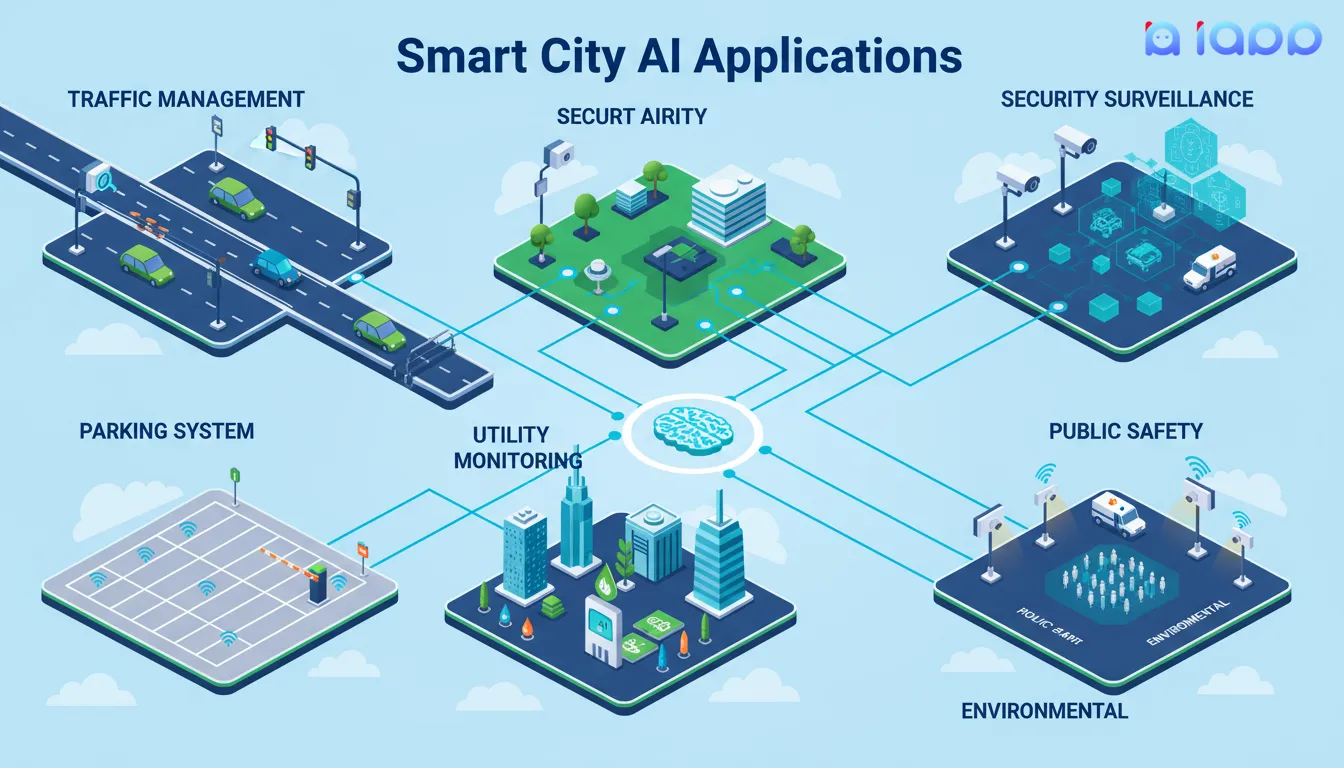
ส่วนที่ 1: ความเข้าใจพื้นฐาน Smart City AI
Smart City คืออะไร?
Smart City คือเมืองที่ใช้เทคโนโลยี โดยเฉพาะอย่างยิ่ง AI และเซนเซอร์ เพื่อปรับปรุงคุณภาพชีวิตของผู้อยู่อาศัย ปรับให้เหมาะสมการใช้ทรัพยากร และให้บริการของเมืองมีประสิทธิภาพมากขึ้น
ลองคิดแบบนี้:
- เมืองแบบดั้งเดิม: ผู้บริหารเมืองรอให้ผู้คนร้องเรียนเกี่ยวกับหลอดไฟถนนที่เสีย จากนั้นส่งคนไปซ่อม
- Smart City: เซนเซอร์ตรวจจับหลอดไฟที่เสีย โดยอัตโนมัติ และจัดตารางการบำรุงรักษาก่อนที่ผู้คนจะสังเกตเห็น
คำนิยามที่เรียบง่าย
Smart City AI = การใช้ AI และอุปกรณ์ที่เชื่อมต่อ (IoT) เพื่อให้เมืองทำงานได้ดีขึ้น เร็วขึ้น และฉลาดขึ้นสำหรับทุกคน
ส่วนที่ 2: ศัพท์เฉพาะ 5 คำที่สำคัญที่สุด
หากคุณเคยอ่านเกี่ยวกับ Smart Cities และรู้สึกสับสนกับศัพท์ เรียนรู้ 5 คำศัพท์สำคัญที่สุด:
1. IoT (Internet of Things)
หมายความว่า: อุปกรณ์ที่เชื่อมต่อซึ่งรวบรวมข้อมูลและส่งไปยังคลาউด
ตัวอย่างจริง: กล้องจราจร เซนเซอร์จอดรถ มิเตอร์น้ำ สถานีตรวจสภาพอากาศ และไฟถนนอัจฉริยะเป็นอุปกรณ์ IoT ทั้งหมด
ในบริบทของไทย: ระบบตรวจสอบการจราจรของกรุงเทพใช้กล้อง IoT นับพันตัวเพื่อติดตามการไหลของยานพาหนะและปรับไฟจราจรโดยอัตโนมัติ
ทำไมจึงสำคัญ: หากไม่มีเซนเซอร์ IoT AI ก็ไม่มีข้อมูลให้วิเคราะห์ คิดถึงเซนเซอร์ว่าเป็น "ตาและหูของเมือง"
2. Real-Time Processing
หมายความว่า: การวิเคราะห์ข้อมูลและตัดสินใจในทันที (ภายในเวลาไม่กี่วินาทีหรือมิลลิวินาที)
ตัวอย่างจริง: เมื่อกล้องอ่านป้ายทะเบียนรถจับภาพยานพาหนะ ระบบจะวิเคราะห์ข้อมูลทันทีและ:
- อ่านหมายเลขป้ายทะเบียน
- ตรวจสอบว่าเป็นรถที่ถูก盗หรือขัดต่อกฎหมายจราจร
- แจ้งเตือนเจ้าหน้าที่ทันที
ในบริบทของไทย: ระบบเก็บค่าผ่านทางอัตโนมัติของกรุงเทพประมวลผลการอ่านยานพาหนะนับพันหน่วยต่อชั่วโมงในแบบ Real-Time
ทำไมจึงสำคัญ: หากเมืองอัจฉริยะรอนาทีในการวิเคราะห์ข้อมูล จะสายไปแล้ว Real-Time หมายความว่าการตัดสินใจเกิดขึ้นทันที
3. Automation (อัตโนมัติ)
หมายความว่า: ให้ AI และเครื่องจักรตัดสินใจโดยอัตโนมัติโดยไม่มีการแทรกแซงของมนุษย์
ตัวอย่างจริง:
- ไฟจราจรอัจฉริยะปรับการหมดเวลาโดยอัตโนมัติตามการไหลของการจราจร
- บริษัทสาธารณูปโภคตรวจจับการรั่วซึมในท่อน้ำโดยอัตโนมัติ
- ระบบเส้นทางการจัดส่งตรวจหาเส้นทางที่มีประสิทธิภาพสูงสุดโดยอัตโนมัติ
ในบริบทของไทย: การปรับเส้นทางการจัดส่งสำหรับบริการจัดส่งในกรุงเทพสามารถประหยัดค่าน้ำมันได้ 20-30% โดยการค้นหาเส้นทางที่ดีกว่าโดยอัตโนมัติ
ทำไมจึงสำคัญ: Automation ลบล้างความล่าช้าและข้อผิดพลาดของมนุษย์ สิ่งที่เคยใช้เวลาหลายชั่วโมงของการวางแผนด้วยตนเองเกิดขึ้นในเวลาไม่กี่วินาที
4. Predictive Analytics
หมายความว่า: การใช้ข้อมูลในอดีตเพื่อทำนายสิ่งที่จะเกิดขึ้นในอนาคต
ตัวอย่างจริง:
- ทำนายการจราจรติด 30 นาทีก่อนที่จะเกิดขึ้นจริง
- ทำนายการชำรุดของอุปกรณ์ก่อนที่มันจะพังลง
- ทำนายความต้องการพลังงานเพื่อให้เมืองสามารถเตรียมความพร้อมสำหรับการจัดหาพลังงาน
ในบริบทของไทย: กรุงเทพสามารถทำนายการจราจรหนักในระหว่างเหตุการณ์หลัก และปรับความพร้อมของจอดรถและคำแนะนำเส้นทางล่วงหน้า
ทำไมจึงสำคัญ: หากคุณสามารถทำนายปัญหาก่อนที่จะเกิดขึ้น คุณก็สามารถป้องกันมันได้ ช่วยประหยัดเวลา เงิน และความหงุดหงิด
5. Data Integration
หมายความว่า: การรวมข้อมูลจากแหล่งที่มาต่างๆ มากมายเพื่อได้ภาพที่สมบูรณ์
ตัวอย่างจริง: เพื่อปรับเส้นทางการจัดส่งให้เหมาะสมที่สุด ระบบรวมข้อมูล:
- สภาพการจราจรในปัจจุบัน
- ข้อมูลอากาศ
- ตำแหน่ง GPS ของยานพาหนะ
- รูปแบบการจัดส่งที่เกิดขึ้นจริงในอดีต
- คำขอของลูกค้าในแบบ Real-Time
ในบริบทของไทย: หน่วยงานของรัฐไทยกำลังพยายามแบ่งปันข้อมูลระหว่างจราจร สาธารณูปโภค บริการฉุกเฉิน และการวางแผนเมืองเพื่อสร้างแพลตฟอร์มเมืองอัจฉริยะที่รวมศูนย์
ทำไมจึงสำคัญ: แหล่งข้อมูลเดียวมีประโยชน์ แต่การรวมแหล่งข้อมูลหลายแหล่งสร้างความเข้าใจที่ชาญฉลาดซึ่งแก้ไขปัญหาที่ซับซ้อน
ส่วนที่ 3: วิธีการทำงานของ Smart City AI
มาดูขั้นตอนการทำงานของระบบ Smart City AI ที่สมบูรณ์:
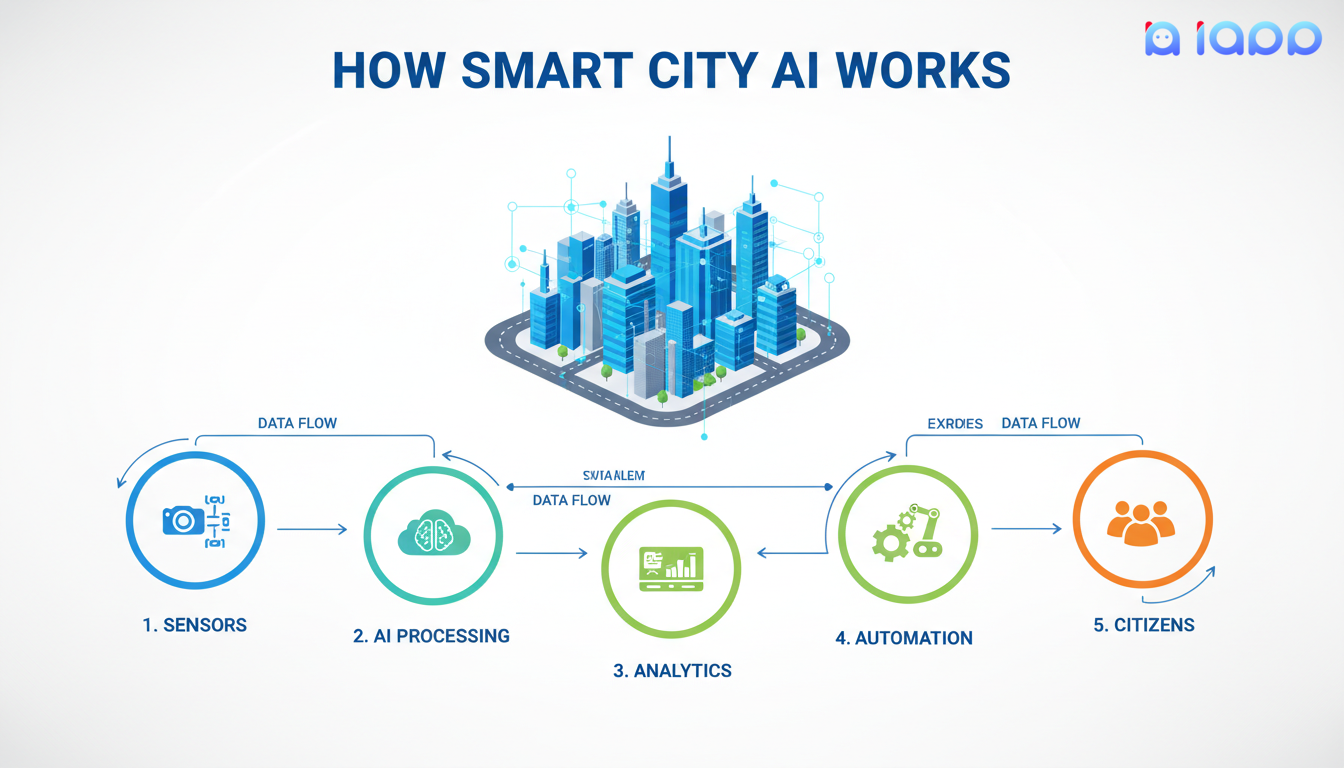
กระบวนการ 5 ขั้นตอน
ขั้นตอนที่ 1: การรวบรวมข้อมูล (เซนเซอร์)
เซนเซอร์ IoT ทั่วทั้งเมืองรวบรวมข้อมูล:
- กล้องจราจรจับภาพยานพาหนะและนับจำนวนรถ
- เซนเซอร์จอดรถตรวจจับพื้นที่ว่าง
- มิเตอร์น้ำวัดการใช้ปริมาณน้ำ
- สถานีตรวจสภาพอากาศตรวจสอบอุณหภูมิและคุณภาพอากาศ
- มิเตอร์สาธารณูปโภคติดตามการใช้ไฟฟ้าและน้ำ
ขั้นตอนที่ 2: การประมวลผล AI (การวิเคราะห์)
ข้อมูลที่รวบรวมไปยังระบบ AI ซึ่ง:
- จดจำรูปแบบ (เช่น "การจราจรหนักเสมอในเวลา 5 โมงในถนนสายนี้")
- จำแนกข้อมูล (เช่น "นี่คือรถยนต์ รถบรรทุก หรือรถจักรยานยนต์")
- ทำการทำนาย (เช่น "การจราจรติดแน่นน่าจะเกิดขึ้นในอีก 20 นาทีแล้ว")
ขั้นตอนที่ 3: การวิเคราะห์และข้อมูลเชิงลึก (การตัดสินใจ)
ระบบวิเคราะห์ข้อมูลที่ประมวลผลแล้วเพื่อสร้างข้อมูลเชิงลึก:
- "เราต้องส่งรถจัดส่งเพิ่มเติม 5 คันผ่านพื้นที่นี้"
- "การใช้น้ำมีมากกว่าปกติ 10% —การรั่วซึ่มตรวจจับแล้ว"
- "เส้นทางการจัดส่งนี้จะใช้เวลานานกว่าปกติ 30% เนื่องจากการจราจร"
ขั้นตอนที่ 4: Automation (การดำเนิน)
ตามข้อมูลเชิงลึก ระบบดำเนินการโดยอัตโนมัติ:
- ปรับการหมดเวลาของไฟจราจร
- ส่งแจ้งเตือนไปยังทีมบำรุงรักษา
- ปรับเส้นทางการจัดส่ง
- ควบคุมการใช้พลังงาน
ขั้นตอนที่ 5: ประโยชน์ของพลเมือง (ผล)
พลเมืองได้สัมผัสการปรับปรุง:
- เวลาเดินทางที่สั้นลง
- ความพร้อมของจอดรถที่ดีขึ้น
- การตอบสนองต่อเหตุฉุกเฉินที่เร็วขึ้น
- ต้นทุนสาธารณูปโภคที่ลดลง
- คุณภาพอากาศที่ดีขึ้น
ส่วนที่ 4: ทำไม Smart City AI ถึงมีความสำคัญ
ปัญหาที่มันแก้ไข
| ปัญหา | วิธีแก้ไขแบบดั้งเดิม | วิธีแก้ไข Smart City AI |
|---|---|---|
| การจราจรติด | การควบคุมการจราจรด้วยตนเอง ผู้ขับขี่อย่างไม่มีความสุข | AI ทำนายความแออัด 30 นาทีก่อนและเปลี่ยนเส้นทางโดยอัตโนมัติ |
| ปัญหาการจอดรถ | ขับรถหาจอดรถเป็นเวลา 20 นาที | แอปแสดงพื้นที่ว่าง Realtime |
| การสูญเสียสาธารณูปโภค | อ่านมิเตอร์รายเดือน ตรวจจับการรั่วซึ่มช้า | การตรวจสอบ Realtime ตรวจจับการรั่วซึ่มทันที |
| การตอบสนองต่อเหตุฉุกเฉิน | ผู้ส่งมอบสั่งการเส้นทางรถพยาบาลด้วยตนเอง | AI ค้นหาเส้นทางที่เร็วที่สุดเมื่อพิจารณาการจราจรสดใจร |
| การวางแผนเมือง | การเดาตามสมมติฐาน | การตัดสินใจตามข้อมูลจริง |
ผลกระทบที่แท้จริง
- ประหยัดเวลา: ผู้อพยพประหยัดเวลาหลายชั่วโมงต่อปีไม่นั่งติด
- ประหยัดเงิน: สาธารณูปโภคประหยัดเงินนับล้านในการตรวจจับการรั่วซึ่มก่อนหน้า
- ช่วยชีวิต: บริการฉุกเฉินตอบสนองได้เร็วขึ้น
- ปรับปรุงสิ่งแวดล้อม: เผาน้ำมันน้อยลง คุณภาพอากาศดีขึ้น
- ลดต้นทุน: การจัดสรรทรัพยากรที่ดีขึ้นช่วยประหยัดภาษีผู้เสียภาษี
ส่วนที่ 5: Smart City AI ในไทย - ตัวอย่างจริง
ตัวอย่างที่ 1: การรู้จำป้ายทะเบียนรถเพื่อจราจรและความปลอดภัย
สิ่งที่ทำ: กล้อง AI อ่านป้ายทะเบียนรถยนต์โดยอัตโนมัติและเข้าใจการไหลของการจราจร
การประยุกต์ใช้ไทย:
- ด่านเก็บค่าผ่านทางกรุงเทพใช้การอ่านป้ายทะเบียนอัตโนมัติเพื่อเก็บค่าผ่านทางโดยทันที
- ตำรวจจราจรใช้มันเพื่อระบุรถที่ถูกขโมย
- บริษัทจัดส่งใช้มันเพื่อติดตามการเคลื่อนไหวของยานพาหนะ
วิธีแก้ไขของ iApp: API การรู้จำป้ายทะเบียนรถไทย อ่านป้ายทะเบียนรถไทยอย่างแม่นยำด้วยความแม่นยำ 92%+ ช่วย:
- ระบบเก็บค่าผ่านทางประมวลผลยานพาหนะได้เร็วขึ้น
- ระบบความปลอดภัยระบุการขัดต่อกฎหมายโดยอัตโนมัติ
- การจัดการยานพาหนะติดตามการเคลื่อนไหว
วิธีช่วยผู้อยู่อาศัยไทย: การเก็บค่าผ่านทางที่เร็วขึ้น การระบุยานพาหนะฉุกเฉินที่เร็วขึ้น และการบังคับใช้กฎหมายจราจรแบบอัตโนมัติ
ตัวอย่างที่ 2: การอ่านมิเตอร์อัจฉริยะสำหรับสาธารณูปโภค
สิ่งที่ทำ: AI อ่านหมายเลขมิเตอร์น้ำและไฟฟ้าโดยอัตโนมัติจากภาพถ่าย
การประยุกต์ใช้ไทย:
- แผนกไฟฟ้าและน้ำจังหวัรใช้การอ่านมิเตอร์อัตโนมัติ
- บริษัทสาธารณูปโภคตรวจจับการรั่วซึ่มและความผิดปกติของการใช้ทันที
- ลูกค้าได้รับใบแจ้งหนี้ที่แม่นยำโดยไม่มีการคาดการณ์
วิธีแก้ไขของ iApp: API การอ่านมิเตอร์ไฟฟ้าและน้ำ อ่านหมายเลขมิเตอรโดยอัตโนมัติด้วยความแม่นยำ 73%+ ช่วยให้:
- ผู้อ่านมิเตอร์รวบรวมการอ่านเร็วขึ้น 10 เท่า
- ตรวจจับการรั่วซึ่มโดยอัตโนมัติ
- ใบแจ้งหนี้ที่แม่นยำโดยไม่มีข้อผิดพลาดของมนุษย์
วิธีช่วยผู้อยู่อาศัยไทย: การอ่านมิเตอร์ที่เร็วขึ้น ใบแจ้งหนี้ที่แม่นยำ และการตรวจจับการรั่วซึ่มก่อนหน้าประหยัดน้ำและเงิน
ตัวอย่างที่ 3: การปรับเส้นทางการจัดส่งสำหรับโลจิสติก
สิ่งที่ทำ: AI วางแผนเส้นทางการจัดส่งที่มีประสิทธิภาพสูงสุดโดยอัตโนมัติโดยพิจารณาการจราจร ระยะทาง และเวลา
การประยุกต์ใช้ไทย:
- บริษัทจัดส่งและโลจิสติกในกรุงเทพปรับเส้นทางยานพาหนะให้เหมาะสมที่สุด
- บริการจัดส่งอาหารลดเวลาจัดส่ง
- หน่วยงานรัฐปรับเส้นทางการจัดส่งบริการให้เหมาะสม
วิธีแก้ไขของ iApp: API การปรับเส้นทางให้เหมาะสม สร้างเส้นทางที่เหมาะสมที่สุดโดยอัตโนมัติ ช่วยบริษัท:
- ลดค่าน้ำมันได้ 20-30%
- เร่งความเร็วการจัดส่ง
- จัดการคำสั่งซื้อมากขึ้นด้วยขนาดยานพาหนะเดียวกัน
วิธีช่วยผู้อยู่อาศัยไทย: เวลาจัดส่งที่เร็วขึ้น ต้นทุนการจัดส่งที่ลดลง และประโยชน์สิ่งแวดล้อมจากการใช้ค่าน้ำมันที่ลดลง
ส่วนที่ 6: กรณีการใช้งาน Smart City AI ในไทย
การเคลื่อนไหวในเมืองและการขนส่ง
สถานการณ์: กรุงเทพในช่วงชั่วโมงเร่งด่วน
- กล้อง IoT ตรวจสอบการจราจรบนถนนสายหลัก
- AI ทำนายความแออัด 25 นาทีบนถนนสุขุมวิทเวลา 5 โมง
- ระบบแจ้งเตือนผู้ขับขี่โดยอัตโนมัติและแนะนำถนนไร้สายเป็นทางเลือก
- ผล: ยานพาหนะ 15,000 คันเปลี่ยนเส้นทาง ประหยัดเวลา 40 นาที ต่อผู้ขับขี่
การจัดการสาธารณูปโภค
สถานการณ์: การจัดจ่ายน้ำเชียงใหม่
- มิเตอร์ IoT ตรวจสอบการไหลของน้ำในแต่ละเขต
- AI ตรวจจับการลดลงของความดันอย่างฉับพลัน → อาจมีการรั่วซึ่ม
- ระบบแจ้งเตือนทีมบำรุงรักษาโดยทันที พร้อมสถานที่ที่แน่นอน
- ผล: พบการรั่วซึ่มและซ่อมแซมใน 30 นาที แทนที่จะเป็นวัน ประหยัดน้ำ 100,000 ลิตร
ความปลอดภัยสาธารณะ
สถานการณ์: การตอบสนองต่อเหตุฉุกเฉินในกรุงเทพ
- เหตุการณ์เร่งด่วนหลายเหตุการณ์รายงานทั่วเมือง
- AI วิเคราะห์รถพยาบาลที่มี รูปแบบการจราจร และระยะห่าง
- ระบบส่งรถพยาบาลใกล้เคียงที่สุดโดยอัตโนมัติผ่านเส้นทางที่มีความแออัดน้อยที่สุด
- ผล: เวลาตอบสนองเฉลี่ยลดลงจาก 12 เป็น 7 นาที
การวางแผนเมือง
สถานการณ์: การวางแผนท่องเที่ยวภูเก็ต
- เมืองตรวจสอบการจราจรเท้า การใช้จอดรถ และรูปแบบการจราจร
- AI วิเคราะห์เวลาพีค และสถานที่คอขวด
- ผู้วางแผนเมืองใช้ข้อมูลเชิงลึกเพื่อขยายจอดรถ เพิ่มไฟจราจร ปรับปรุงป้ายชี้
- ผล: ประสบการณ์ของนักท่องเที่ยวดีขึ้น ลดการจราจรติด ถนนที่ปลอดภัยขึ้น
ส่วนที่ 7: วิธีเริ่มต้นกับวิธีแก้ไข Smart City AI
สำหรับรัฐบาลเมือง
- เริ่มต้นเล็กน้อยด้วยปัญหาเดียว (เช่น การจัดการจราจร)
- ปรับใช้เซนเซอร์ IoT ในพื้นที่นั้น
- รวมเข้ากับ API AI ของ iApp สำหรับการวิเคราะห์ข้อมูล
- วัดผลลัพธ์และขยายไปยังพื้นที่อื่นๆ
สำหรับธุรกิจ
หากคุณบริหารบริษัท จัดส่ง โลจิสติก หรือสาธารณูปโภคในประเทศไทย:
- ใช้การปรับเส้นทาง: ใช้ API การปรับเส้นทางให้เหมาะสมแบบอัตโนมัติ เพื่อลดต้นทุนทันที
- อัตโนมัติการอ่านมิเตอร์: ใช้ OCR มิเตอร์ไฟฟ้าและน้ำ เพื่อเร่งความเร็วการดำเนิน
- ติดตามยานพาหนะ: ใช้ การรู้จำป้ายทะเบียน สำหรับการจัดการยานพาหนะ
สำหรับนักพัฒนาและสตาร์ทอัป
สร้างวิธีแก้ไข Smart City โดยใช้ API ของ iApp:
import requests

# ตัวอย่าง: ค้นหาเส้นทางการจัดส่งที่เหมาะสมที่สุด
api_key = "YOUR_API_KEY"

delivery_data = {
    "driverSize": -1,
    "origin": {
        "address": "ศูนย์จัดส่งกรุงเทพ",
        "latitude": 13.7282,
        "longitude": 100.5336
    },
    "routes": [
        {
            "customerName": "ลูกค้า 1",
            "customerAddress": "สยามสแควร์ กรุงเทพ",
            "latitude": 13.7467,
            "longitude": 100.5315
        },
        # เพิ่มจุดจัดส่งเพิ่มเติม...
    ]
}

response = requests.post(
    "https://api.iapp.co.th/v3/store/smart-city/automatic-route-optimization",
    headers={"apikey": api_key},
    json=delivery_data
)

optimized_route = response.json()
print(f"ระยะทางรวม: {optimized_route['totalDistanceKm']} กิโลเมตร")
print(f"ลำดับที่ปรับให้เหมาะสม: {optimized_route['routes']}")
ส่วนที่ 8: ประเด็นหลัก
- Smart City AI ใช้เซนเซอร์และ AI เพื่อให้เมืองทำงานได้ดีขึ้น สำหรับทุกคน
- Real-Time Processing หมายความว่าการตัดสินใจทันที โดยไม่รอการอนุมัติของมนุษย์
- Automation จัดการกับงานประจำ เพื่อให้มนุษย์จัดการกับปัญหาที่ซับซ้อน
- Predictive Analytics ช่วยป้องกันปัญหา ก่อนที่จะเกิดขึ้น
- Data Integration สร้างความเข้าใจ ที่แก้ไขความท้าทายที่ซับซ้อนของเมือง
- ประเทศไทยกำลังปรับใช้วิธีแก้ไข Smart City ในการจราจร สาธารณูปโภค และจัดส่ง
- iApp Technology มีแนวทาง API สำเร็จรูป สำหรับการใช้งาน Smart City
ส่วนที่ 9: คำถามที่พบบ่อย
ถาม: Smart City AI เฉพาะสำหรับเมืองใหญ่หรือไม่?
ตอบ: ไม่! เมืองขนาดกลางและเล็กในประเทศไทยกำลังนำวิธีแก้ไข Smart City มาปรับใช้เพื่อปรับปรุงบริการท้องถิ่นและลดต้นทุน
ถาม: ข้อมูลของฉันปลอดภัยกับ Smart City AI หรือไม่?
ตอบ: รูปภาพประมวลผลในหน่วยความจำและไม่เก็บไว้หลังส่งผลกลับ iApp ไม่เก็บสำเนา ส่วนการขอความยินยอมและการแจ้งเจ้าของข้อมูลตาม PDPA และ GDPR เป็นหน้าที่ของคุณในฐานะผู้ควบคุมข้อมูล
ถาม: ฉันสามารถปรับใช้ Smart City AI ในธุรกิจของฉันได้หรือไม่?
ตอบ: แน่นอน! ธุรกิจไทยจำนวนมาก (จัดส่ง สาธารณูปโภค โลจิสติก) กำลังใช้ API Smart City ของ iApp เพื่อปรับให้เหมาะสม
ถาม: ราคาเท่าไร?
ตอบ: API Smart City ของ iApp ใช้รูปแบบราคา Pay-Per-Use คุณจ่ายเฉพาะสิ่งที่คุณใช้ โดยราคาเริ่มต้นที่ 0.75 IC ต่อคำขอ
ขั้นตอนถัดไปของคุณ
พร้อมสำรวจ Smart City AI สำหรับเมืองหรือธุรกิจของคุณหรือไม่?
- เรียนรู้เพิ่มเติม: เยี่ยมชม เอกสาร API Smart City ของเรา
- ลองใช้ฟรี: สร้างบัญชี iApp ฟรี และรับเครดิตฟรี
- เริ่มสร้าง: รวมหนึ่งใน API Smart City ของเรา เข้ากับโครงการของคุณ
- ติดต่อเรา: อีเมล sales@iapp.co.th สำหรับวิธีแก้ไขสำหรับองค์กร
แหล่งข้อมูล
- เอกสาร API Smart City ของ iApp
- API การรู้จำป้ายทะเบียนรถ
- API การอ่านมิเตอร์ไฟฟ้าและน้ำ
- API การปรับเส้นทางให้เหมาะสมแบบอัตโนมัติ
- แdashboard API ของ iApp
- เครื่องคำนวณราคา
เกี่ยวกับผู้เขียน
ดร. กอบกฤตย์ วิริยะยุธกร เป็นซีอีโอและผู้ก่อตั้ง iApp Technology บริษัทชั้นนำด้าน AI ของไทย ด้วยประสบการณ์กว่า 15 ปีในสาขาปัญญาประดิษฐ์และการประมวลผลภาษาธรรมชาติ ดร. กอบกฤตย์ มีความมุ่งมั่นที่จะทำให้ Smart City AI เข้าถึงได้สำหรับเมืองและธุรกิจทั่วประเทศไทยและเอเชียตะวันออกเฉียงใต้
อ้างอิง
- UN, "World Urbanization Prospects," 2023
- McKinsey, "Smart City Solutions: Urban Future," 2023
- Statista, "Internet of Things (IoT) Global Market Report," 2024
- Thailand Board of Investment, "Smart City Initiative," 2024
- iApp Technology, "Smart City APIs Documentation," 2025