Large Language Model (LLM) คืออะไร? คู่มือฉบับสมบูรณ์สำหรับผู้เริ่มต้น

โดย ดร.กอบกฤตย์ วิริยะยุทธกร CEO และผู้ก่อตั้ง iApp Technology
คุณคงเคยได้ยินชื่อ ChatGPT, Claude หรือ Google Gemini มาบ้าง ทั้งหมดนี้ขับเคลื่อนด้วยสิ่งที่เรียกว่า Large Language Model หรือ LLM แต่ LLM คืออะไรกันแน่? ทำงานอย่างไร? และทำไมคุณถึงควรสนใจ?
ในคู่มือนี้ เราจะอธิบายทุกสิ่งที่คุณต้องรู้เกี่ยวกับ LLM ด้วยภาษาที่เข้าใจง่าย - ไม่ต้องมีปริญญาเอกก็เข้าใจได้!
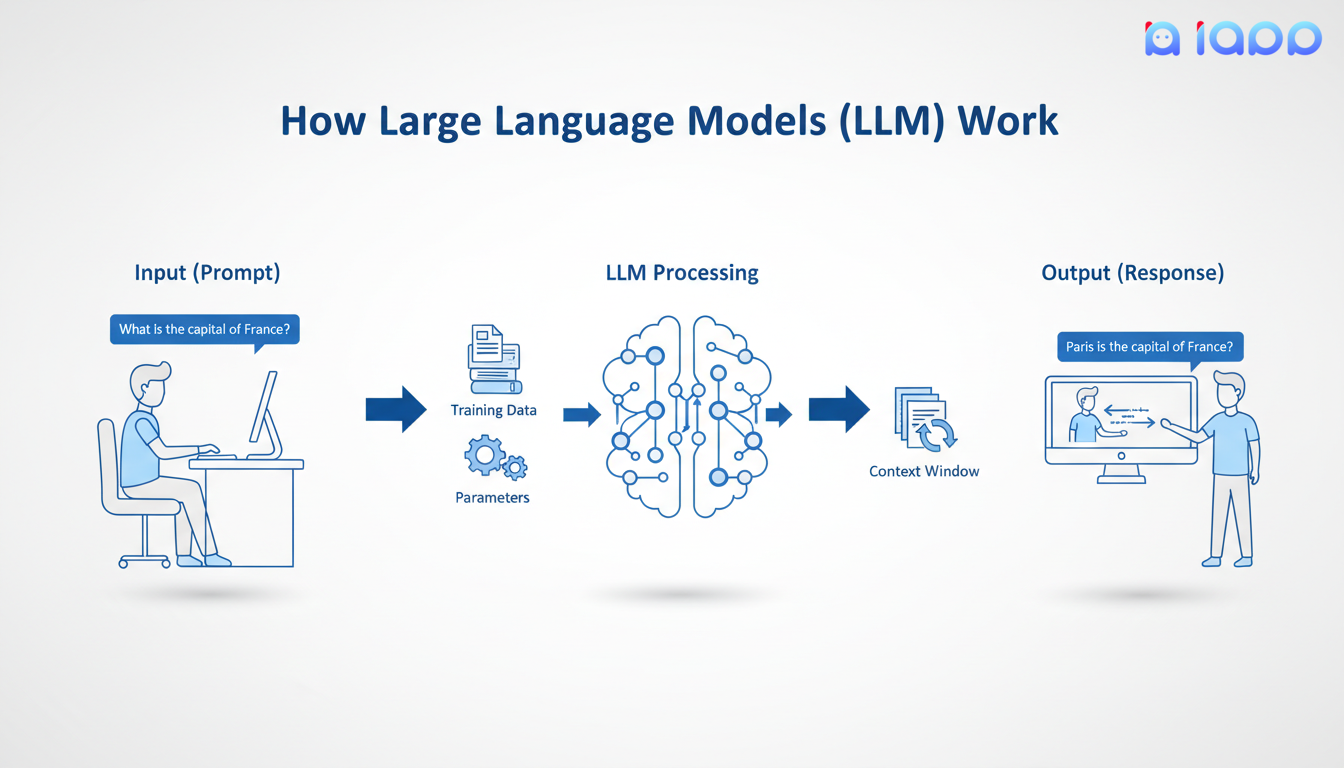
Large Language Model (LLM) คืออะไร?
Large Language Model (LLM) หรือ "โมเดลภาษาขนาดใหญ่" เป็นปัญญาประดิษฐ์ประเภทหนึ่งที่สามารถเข้าใจ สร้าง และทำงานกับภาษามนุษย์ได้ ลองนึกภาพว่ามันเป็นระบบเติมคำอัตโนมัติที่ซับซ้อนมาก - แต่แทนที่จะทำนายแค่คำถัดไป มันสามารถเขียนบทความทั้งหมด ตอบคำถามที่ซับซ้อน แปลภาษา และแม้แต่เขียนโค้ดได้
การเปรียบเทียบให้เข้าใจง่าย
ลองจินตนาการว่าคุณมีเพื่อนคนหนึ่งที่อ่านหนังสือ บทความ และเว็บไซต์ทุกแห่งบนอินเทอร์เน็ต เมื่อคุณถามคำถาม เขาสามารถดึงความรู้ทั้งหมดมาให้คำตอบที่รอบคอบ นั่นคือสิ่งที่ LLM ทำ - เพียงแต่มันเป็นโปรแกรมคอมพิวเตอร์ที่ "เรียนรู้" จากเอกสารข้อความหลายพันล้านฉบับ
5 คำศัพท์สำคัญที่คุณต้องรู้
ก่อนลงลึก มาทำความเข้าใจศัพท์เทคนิคที่มักทำให้ผู้เริ่มต้นสับสน:
1. Token (โทเค็น)
Token คือหน่วยพื้นฐานที่ LLM ใช้ประมวลผลข้อความ มันไม่ใช่คำเสียทีเดียว แต่เป็นเหมือนชิ้นส่วนของข้อความ
| ข้อความ | จำนวน Token |
|---|---|
| "Hello" | 1 token |
| "Hello world" | 2 tokens |
| "สวัสดีครับ" | 3-4 tokens |
| "Artificial Intelligence" | 2 tokens |
ทำไมถึงสำคัญ: การคิดค่าบริการ LLM มักอิงตามจำนวน Token ยิ่ง Token มาก = ค่าใช้จ่ายยิ่งสูง ภาษาไทยมักใช้ Token มากกว่าภาษาอังกฤษสำหรับความหมายเดียวกัน
2. Parameters (พารามิเตอร์)
Parameters คือ "ความรู้" ที่เก็บอยู่ภายใน LLM ลองคิดว่ามันเหมือนเซลล์สมองของ AI
- GPT-3: 175 พันล้าน parameters
- GPT-4: ~1.7 ล้านล้าน parameters
- OpenThai Chinda: 4 พันล้าน parameters
- DeepSeek-V3: 685 พันล้าน parameters
ทำไมถึงสำคัญ: Parameters มากขึ้นโดยทั่วไปหมายถึงความเข้าใจที่ดีขึ้นและคำตอบที่ละเอียดอ่อนมากขึ้น แต่ก็ต้องการพลังประมวลผลมากขึ้นเช่นกัน
3. Prompt (พรอมต์)
Prompt คือข้อมูลที่คุณป้อนให้ LLM - คำถามหรือคำสั่งของคุณ
Prompt ที่ดี: "อธิบายการสังเคราะห์แสงให้เด็ก 10 ขวบเข้าใจใน 3 ประโยค"
Prompt ที่ไม่ดี: "การสังเคราะห์แสง?"
ทำไมถึงสำคัญ: คุณภาพของ Prompt ส่งผลโดยตรงต่อคุณภาพของคำตอบ ทักษะนี้เรียกว่า "Prompt Engineering"
4. Context Window (หน้าต่างบริบท)
Context Window คือปริมาณข้อความที่ LLM สามารถ "จำ" ได้ในการสนทนาครั้งเดียว
| โมเดล | Context Window |
|---|---|
| GPT-3.5 | 4,096 tokens |
| GPT-4 | 128,000 tokens |
| OpenThai Chinda | 40,960 tokens |
| DeepSeek-V3 | 128,000 tokens |
ทำไมถึงสำคัญ: Context Window ที่ใหญ่ขึ้นหมายความว่า AI สามารถจัดการเอกสารที่ยาวขึ้นและจำการสนทนาของคุณได้มากขึ้น
5. Hallucination (การหลอน)
Hallucination คือเมื่อ LLM สร้างข้อมูลที่ฟังดูมั่นใจแต่จริงๆ แล้วเป็นเท็จหรือแต่งขึ้น
ตัวอย่าง:
- คำถาม: "ใครเขียนนวนิยายไทยเรื่อง 'อาณาจักรสยามที่สาบสูญ'?"
- คำตอบที่หลอน: "เขียนโดย หม่อมราชวงศ์คึกฤทธิ์ ปราโมช ในปี 2508"
- ความจริง: นวนิยายเรื่องนี้ไม่มีจริง!
ทำไมถึงสำคัญ: ตรวจสอบข้อเท็จจริงสำคัญจากผลลัพธ์ของ LLM เสมอ โดยเฉพาะสำหรับการตัดสินใจที่สำคัญ
ทำไม LLM ถึงสำคัญ?
LLM กำลังเปลี่ยนแปลงวิธีที่เราทำงาน เรียนรู้ และสื่อสาร นี่คือเหตุผลที่มันสำคัญ:
1. ทำให้ AI เข้าถึงได้ง่าย
ก่อนหน้านี้ การใช้ AI ต้องมีความรู้ทางเทคนิคมาก ตอนนี้ทุกคนสามารถโต้ตอบกับ AI ผ่านภาษาธรรมชาติได้
2. เพิ่มประสิทธิภาพการทำงาน
งานที่เคยใช้เวลาหลายชั่วโมงสามารถทำได้ในไม่กี่นาที:
- เขียนอีเมลและรายงาน
- สรุปเอกสารยาวๆ
- แปลภาษา
- เขียนโค้ด
3. ทลายกำแพงภาษา
LLM สามารถแปลและเข้าใจหลายภาษา ทำให้ข้อมูลเข้าถึงได้ทั่วโลก - รวมถึงภาษาไทย!
4. เปิดทางให้นวัตกรรม
ตั้งแต่แชทบอทบริการลูกค้าไปจนถึงการช่วยวินิจฉัยทางการแพทย์ LLM กำลังเปิดทางให้แอปพลิเคชันใหม่ๆ ในทุกอุตสาหกรรม
LLM แก้ปัญหาอะไรได้บ้าง?
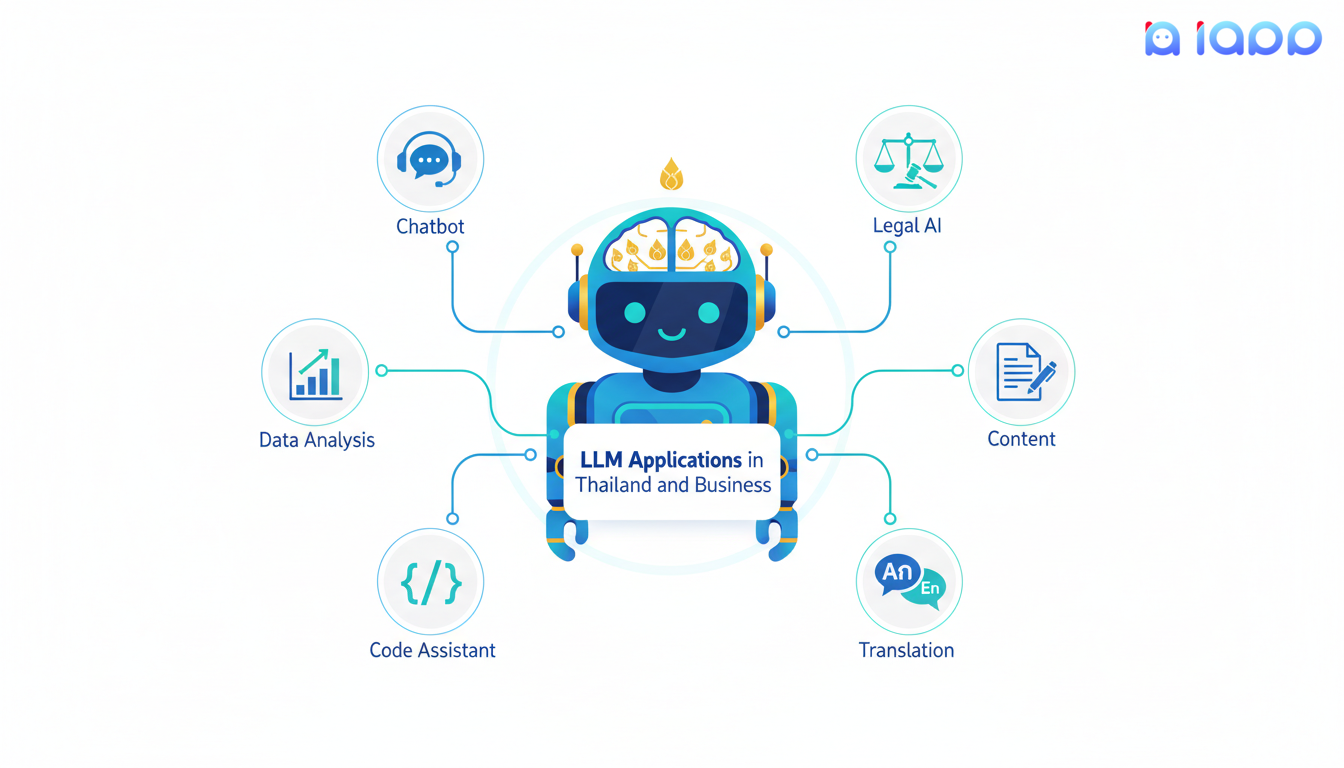
การสร้างเนื้อหา
- เขียนข้อความการตลาด บทความบล็อก และเนื้อหาโซเชียลมีเดีย
- สร้างคำอธิบายสินค้า
- สร้างสื่อการเรียนรู้
บริการลูกค้า
- แชทบอทให้บริการอัตโนมัติ 24/7
- ตอบคำถามที่พบบ่อยทันที
- รองรับลูกค้าหลายภาษา
วิเคราะห์ข้อมูล
- สรุปเอกสารขนาดใหญ่
- ดึงข้อมูลเชิงลึกจากข้อมูลข้อความ
- วิเคราะห์ความรู้สึกจากความคิดเห็นลูกค้า
กฎหมายและการปฏิบัติตามกฎระเบียบ
- ตรวจสอบสัญญา
- ตอบคำถามทางกฎหมาย
- อธิบายกฎระเบียบด้วยภาษาที่เข้าใจง่าย
การพัฒนาโค้ด
- เขียนและแก้ไขโค้ด
- อธิบายแนวคิดการเขียนโปรแกรม
- แปลงโค้ดระหว่างภาษา
การแปล
- แปลภาษาแบบเรียลไทม์
- ปรับเนื้อหาให้เหมาะกับตลาดต่างๆ
- รักษาบริบทและน้ำเสียงข้ามภาษา
LLM ทำงานอย่างไร?
มาทำความเข้าใจความมหัศจรรย์เบื้องหลัง LLM ด้วยคำอธิบายง่ายๆ:
ขั้นตอนที่ 1: การฝึก (Training Phase)
LLM อ่านเอกสารข้อความหลายพันล้านฉบับจากหนังสือ เว็บไซต์ และบทความ ในกระบวนการนี้มันเรียนรู้:
- ไวยากรณ์และโครงสร้างภาษา
- ข้อเท็จจริงและความรู้
- รูปแบบในการสื่อสารของมนุษย์
- บริบทและความสัมพันธ์ระหว่างแนวคิด
ขั้นตอนที่ 2: ทำความเข้าใจรูปแบบ
แทนที่จะท่องจำข้อความ LLM เรียนรู้รูปแบบทางสถิติ ตัวอย่างเช่น:
- หลังจาก "เมืองหลวงของประเทศไทยคือ..." คำว่า "กรุงเทพมหานคร" มีความน่าจะเป็นสูง
- หลังจาก "สวัสดีครับ" คาดว่าจะมีคำทักทายตอบกลับ
- คำถามเทคนิคคาดว่าจะได้คำตอบเทคนิค
ขั้นตอนที่ 3: สร้างคำตอบ
เมื่อคุณให้ prompt LLM จะ:
- แปลงข้อความของคุณเป็น tokens
- ประมวลผล tokens ผ่าน parameters หลายพันล้านตัว
- ทำนาย tokens ที่น่าจะเป็นไปได้มากที่สุด
- สร้างคำตอบที่สอดคล้องกัน
สถาปัตยกรรม Neural Network
LLM สมัยใหม่ใช้เทคโนโลยีที่เรียกว่า Transformers (แนะนำโดย Google ในปี 2017) องค์ประกอบสำคัญได้แก่:
- Attention Mechanism: ช่วยให้โมเดลโฟกัสที่ส่วนที่เกี่ยวข้องของ input
- Layers: หลายชั้นการประมวลผลที่ปรับปรุงความเข้าใจ
- Training Data: คุณภาพและปริมาณข้อมูลส่งผลต่อประสิทธิภาพของโมเดล
วิธีใช้ LLM
วิธีที่ 1: อินเทอร์เฟซแชท
วิธีที่ง่ายที่สุดคือผ่านอินเทอร์เฟซแชทอย่าง ChatGPT, Claude หรือบริการ AI ของ iApp
วิธีที่ 2: การเชื่อมต่อผ่าน API
สำหรับนักพัฒนา LLM มีให้ใช้งานผ่าน API นี่คือตัวอย่างการใช้ DeepSeek V4 LLM API ของ iApp:
import requests

response = requests.post(
    "https://api.iapp.co.th/v3/llm/deepseek-v4/chat/completions",
    headers={"apikey": "YOUR_API_KEY"},
    json={
        "model": "deepseek-v4-flash",
        "messages": [
            {"role": "user", "content": "อธิบายเกี่ยวกับ AI ให้หน่อย"}
        ],
        "max_tokens": 4096
    }
)

print(response.json()["choices"][0]["message"]["content"])
วิธีที่ 3: ติดตั้งในเครื่อง
LLM โอเพนซอร์สบางตัวเช่น Chinda สามารถรันบนคอมพิวเตอร์ของคุณเองเพื่อความเป็นส่วนตัวและประหยัดค่าใช้จ่าย
ตัวอย่างการใช้ LLM ในบริบทไทย
ตัวอย่างที่ 1: AI กฎหมายไทย (ทนอย)
ต้องการคำปรึกษาทางกฎหมาย? ทนอย ของ iApp เป็น LLM ที่เชี่ยวชาญด้านกฎหมายไทย:
ผู้ใช้: โดนโจรตีหัว ผิดมาตราอะไรครับ
ทนอย: การถูกทำร้ายร่างกายเช่นนี้ อาจเข้าข่ายความผิดตามประมวลกฎหมายอาญา...
ทนอยได้รับการฝึกจากบทความกฎหมายไทยกว่า 10,000 บทความ และสามารถตอบคำถามทางกฎหมายได้ในไม่กี่วินาที
ตัวอย่างที่ 2: ความเข้าใจภาษาไทย (จินดา)
จินดา เป็น LLM โอเพนซอร์สภาษาไทยของ iApp ปรับแต่งมาเพื่อความเข้าใจภาษาไทย:
ผู้ใช้: สรุปข่าวนี้ให้หน่อย: [ข้อความข่าวยาวๆ]
จินดา: ข่าวนี้พูดถึง... [สรุปกระชับ]
ตัวอย่างที่ 3: การใช้เหตุผลขั้นสูง (DeepSeek-V3)
สำหรับงานที่ซับซ้อนที่ต้องการการใช้เหตุผลเชิงลึก:
ผู้ใช้: ช่วยแก้โจทย์คณิตศาสตร์นี้ทีละขั้นตอน...
DeepSeek: ให้ผมคิดอย่างรอบคอบ...
[แสดงกระบวนการใช้เหตุผลอย่างละเอียด]
กรณีศึกษาจริงในไทย: การช่วยเหลือภัยพิบัติ
ในช่วงน้ำท่วมภาคใต้ปี 2567 OpenThai Chinda ถูกใช้เพื่อแยกวิเคราะห์คำขอความช่วยเหลือฉุกเฉินหลายพันรายการจากโซเชียลมีเดียโดยอัตโนมัติ:
Input (โพสต์โซเชียลมีเดียที่ไม่เป็นระเบียบ):
ขอความช่วยเหลือ คุณแม่ติดอยู่ในบ้าน น้ำเข้าบ้านประมาณเอว
มีโรคประจำตัวเบาหวาน โทร. 081-234-5678
Output (ข้อมูลที่จัดระเบียบแล้ว):
{
  "location": "บ้านในพื้นที่น้ำท่วม",
  "situation": "น้ำท่วมระดับเอว",
  "medical_condition": "โรคเบาหวาน",
  "contact": "081-234-5678",
  "urgency": "สูง"
}
ระบบอัตโนมัตินี้ช่วยให้ผู้ประสานงานบรรเทาภัยจัดลำดับความสำคัญและตอบสนองได้เร็วขึ้น!
บริการ LLM ของ iApp Technology
ที่ iApp Technology เรานำเสนอโซลูชัน LLM หลายตัวที่ปรับแต่งสำหรับธุรกิจไทย:
DeepSeek V4
- มีทั้งระดับ Flash และ Pro บนเอ็นด์พอยต์เดียว
- รองรับการให้เหตุผลภาษาไทยและหลายภาษาได้ดี
- ราคาตามจำนวนโทเค็นที่แข่งขันได้
- ทดลองใช้ DeepSeek V4
Thanoy Legal AI (ทนอย)
- เชี่ยวชาญด้านกฎหมายไทย
- เข้าถึงบทความกฎหมายกว่า 10,000 บทความ
- ตอบเร็วใน 15 วินาที
- ทดลองใช้ Thanoy Demo
DeepSeek-V3.2
- 685 พันล้าน parameters
- ความสามารถในการใช้เหตุผลขั้นสูง
- ราคาแข่งขันได้ (~10 บาท/1M input tokens)
- ทดลองใช้ DeepSeek Demo
เริ่มต้นใช้ iApp LLM APIs
ขั้นตอนที่ 1: สร้างบัญชีฟรี
เข้าไปที่ iapp.co.th/register เพื่อสร้างบัญชี
ขั้นตอนที่ 2: รับ API Key
ไปที่ API Key Management เพื่อสร้าง key ของคุณ
ขั้นตอนที่ 3: เรียก API ครั้งแรก
curl -X POST "https://api.iapp.co.th/v3/llm/deepseek-v4/chat/completions" \
  -H "apikey: YOUR_API_KEY" \
  -H "Content-Type: application/json" \
  -d '{
    "model": "deepseek-v4-flash",
    "messages": [{"role": "user", "content": "สวัสดีครับ"}]
  }'
ขั้นตอนที่ 4: สำรวจเพิ่มเติม
ดู เอกสารฉบับเต็ม และเข้าร่วม Discord community
สรุป
Large Language Models กำลังเปลี่ยนแปลงวิธีที่เราโต้ตอบกับเทคโนโลยี นี่คือสิ่งที่เราครอบคลุม:
- LLMs คือระบบ AI ที่เข้าใจและสร้างภาษามนุษย์
- คำศัพท์สำคัญ: Token, Parameter, Prompt, Context Window, Hallucination
- การประยุกต์ใช้: การสร้างเนื้อหา, บริการลูกค้า, วิเคราะห์ข้อมูล, AI กฎหมาย, การเขียนโค้ด
- โซลูชันไทย: Chinda (Thai LLM), Thanoy (Legal AI), DeepSeek (Advanced reasoning)
การปฏิวัติ AI มาถึงแล้ว และธุรกิจไทยสามารถใช้ประโยชน์จากเครื่องมืออันทรงพลังเหล่านี้ผ่าน API ของ iApp Technology
พร้อมทดลองใช้ LLM หรือยัง?
เริ่มสำรวจพลังของ Large Language Models วันนี้:
- สร้างบัญชีฟรี - เริ่มต้นได้ในไม่กี่นาที
- ทดลองใช้ OpenThai Chinda - AI ไทยฟรี
- สำรวจ AI APIs ทั้งหมด - OCR, Speech, NLP และอื่นๆ
- ติดต่อเรา - โซลูชันสำหรับองค์กร
มีคำถาม? เข้าร่วม Discord community หรืออีเมลหาเราที่ support@iapp.co.th
บริษัท ไอแอพ เทคโนโลยี จำกัด บริษัท AI ชั้นนำของประเทศไทย