AI คืออะไร? ทำความเข้าใจ Generative AI, Agentic AI และการประยุกต์ใช้ในอุตสาหกรรมไทย 2025

โดย ดร.กอบกฤตย์ วิริยะยุทธกร, CEO & Founder, iApp Technology
ในยุคที่เทคโนโลยีเปลี่ยนแปลงอย่างรวดเร็ว คำว่า "AI" หรือ "ปัญญาประดิษฐ์" กลายเป็นคำที่เราได้ยินกันทุกวัน แต่หลายคนยังสับสนว่า AI คืออะไร กันแน่? และคำศัพท์ใหม่ๆ อย่าง Generative AI, Agentic AI หรือ AI Agent หมายความว่าอย่างไร?
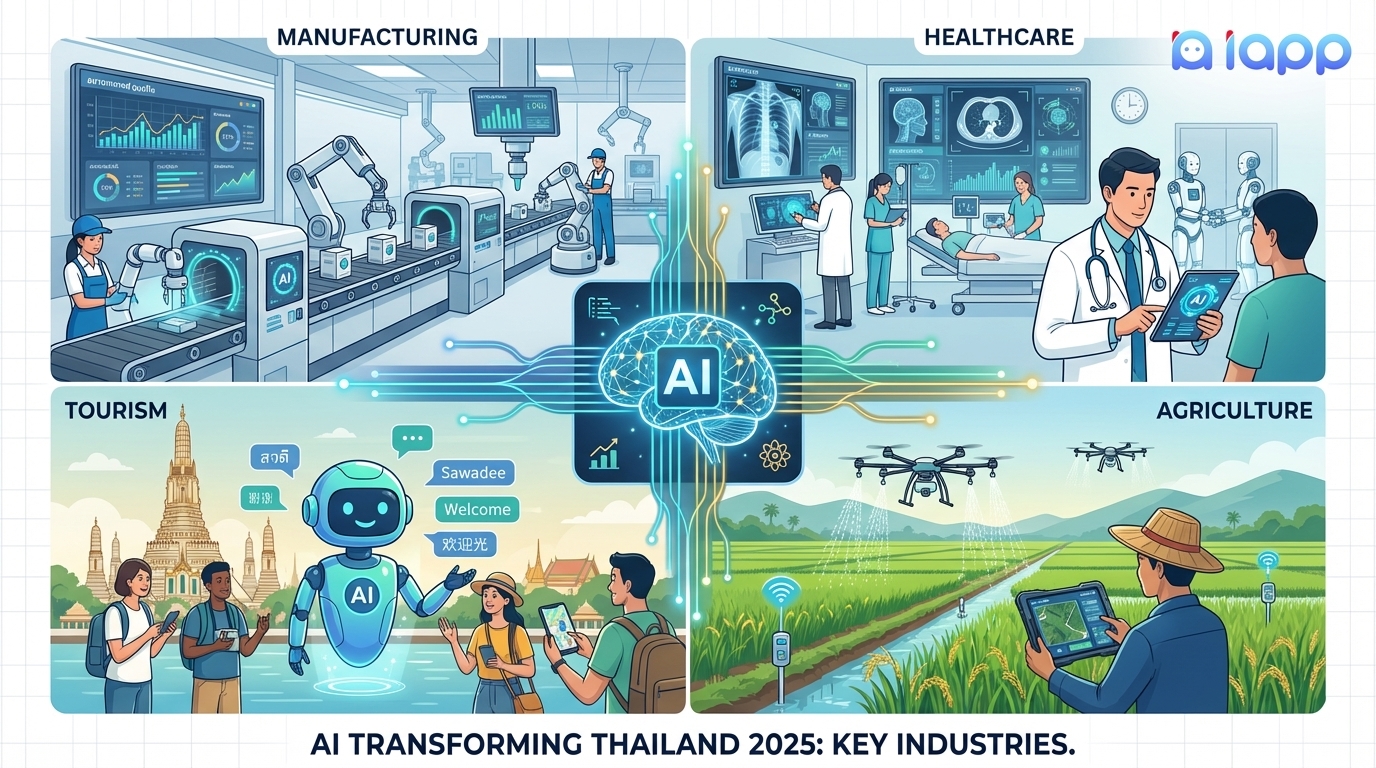
บทความนี้จะอธิบายทุกอย่างตั้งแต่พื้นฐาน พร้อมยกตัวอย่างการประยุกต์ใช้จริงในอุตสาหกรรมหลักของประเทศไทย ได้แก่ การผลิต (Manufacturing) สาธารณสุข (Healthcare) การท่องเที่ยว (Tourism) และเกษตรกรรม (Agriculture) ในปี 2025
AI คืออะไร? (What is AI?)
AI หรือ Artificial Intelligence แปลเป็นภาษาไทยว่า ปัญญาประดิษฐ์ คือ เทคโนโลยีที่ทำให้คอมพิวเตอร์หรือเครื่องจักรสามารถ "คิด" และ "ตัดสินใจ" ได้คล้ายกับมนุษย์
AI ทำงานอย่างไร?
AI เรียนรู้จากข้อมูลจำนวนมาก (Big Data) ผ่านกระบวนการที่เรียกว่า Machine Learning หรือการเรียนรู้ของเครื่อง โดยมีหลักการทำงานดังนี้:
- รับข้อมูล (Input): AI รับข้อมูลเข้ามา เช่น รูปภาพ เสียง ข้อความ หรือตัวเลข
- ประมวลผล (Processing): วิเคราะห์ข้อมูลผ่านอัลกอริทึมที่ถูกฝึกมา
- ตัดสินใจ (Decision): ให้ผลลัพธ์หรือคำตอบตามที่เรียนรู้มา
- เรียนรู้ (Learning): ปรับปรุงความแม่นยำจาก Feedback ที่ได้รับ
ประเภทของ AI
AI สามารถแบ่งออกได้เป็น 3 ระดับหลัก:
| ระดับ | ชื่อ | ความสามารถ | ตัวอย่าง |
|---|---|---|---|
| 1 | Narrow AI (AI เฉพาะทาง) | ทำงานได้ดีในงานเฉพาะด้าน | OCR อ่านบัตรประชาชน, ระบบแนะนำสินค้า |
| 2 | General AI (AI ทั่วไป) | ทำงานได้หลากหลายเหมือนมนุษย์ | ยังอยู่ในขั้นพัฒนา |
| 3 | Super AI (AI เหนือมนุษย์) | ฉลาดกว่ามนุษย์ทุกด้าน | ยังเป็นทฤษฎี |
ปัจจุบัน AI ที่เราใช้งานกันอยู่ส่วนใหญ่เป็น Narrow AI ที่เก่งในงานเฉพาะด้าน เช่น การจดจำใบหน้า การแปลภาษา หรือการวิเคราะห์ข้อมูล
Generative AI คืออะไร?
Generative AI คือ AI ที่สามารถ "สร้างสรรค์" เนื้อหาใหม่ได้ ไม่ว่าจะเป็นข้อความ รูปภาพ เสียง วิดีโอ หรือแม้แต่โค้ดโปรแกรม
ความแตกต่างระหว่าง AI แบบดั้งเดิมกับ Generative AI
| AI แบบดั้งเดิม | Generative AI |
|---|---|
| วิเคราะห์และจำแนกข้อมูล | สร้างเนื้อหาใหม่ |
| ตอบคำถามจากข้อมูลที่มี | เขียนเนื้อหาใหม่ทั้งหมด |
| ทำนายผลลัพธ์ | สร้างสรรค์สิ่งที่ไม่เคยมีมาก่อน |
| ตัวอย่าง: ระบบกรองสแปม | ตัวอย่าง: ChatGPT, DALL-E, Midjourney |
ตัวอย่าง Generative AI ที่นิยมใช้
- ChatGPT / Claude / Gemini: สร้างข้อความ ตอบคำถาม เขียนบทความ
- DALL-E / Midjourney / Stable Diffusion: สร้างรูปภาพจากคำอธิบาย
- GitHub Copilot: เขียนโค้ดโปรแกรมอัตโนมัติ
- Suno / Udio: สร้างเพลงและดนตรี
- Runway / Sora: สร้างวิดีโอจากข้อความ
Generative AI ในประเทศไทย
iApp Technology ได้พัฒนา OpenThai Chinda ซึ่งเป็น Generative AI ที่ออกแบบมาสำหรับภาษาไทยโดยเฉพาะ สามารถ:
- เข้าใจบริบทและวัฒนธรรมไทย
- ตอบคำถามเป็นภาษาไทยได้อย่างเป็นธรรมชาติ
- รองรับศัพท์เฉพาะทางในอุตสาหกรรมต่างๆ
Agentic AI คืออะไร?
Agentic AI (เอเจนติก เอไอ) คือ AI รูปแบบใหม่ที่สามารถ "ทำงานได้อย่างอิสระ" โดยไม่ต้องรอคำสั่งจากมนุษย์ในทุกขั้นตอน
ความแตกต่างระหว่าง AI ธรรมดากับ Agentic AI
| AI ธรรมดา | Agentic AI |
|---|---|
| รอคำสั่งจากมนุษย์ | วางแผนและทำงานเอง |
| ทำทีละขั้นตอน | ทำหลายขั้นตอนต่อเนื่อง |
| ตอบคำถามเดียวจบ | แก้ปัญหาซับซ้อนหลายชั้น |
| ไม่สามารถใช้เครื่องมืออื่น | เรียกใช้เครื่องมือต่างๆ ได้ |
คุณสมบัติหลักของ Agentic AI
- การวางแผน (Planning): แบ่งงานใหญ่เป็นงานย่อยๆ
- การใช้เครื่องมือ (Tool Use): เรียกใช้ API, ค้นหาข้อมูล, คำนวณ
- การตัดสินใจ (Decision Making): เลือกวิธีที่ดีที่สุดเอง
- การแก้ไขตัวเอง (Self-Correction): ตรวจสอบและแก้ไขข้อผิดพลาด
- การเรียนรู้ (Learning): ปรับปรุงจาก Feedback
ตัวอย่าง Agentic AI ในการทำงานจริง
สมมติคุณสั่งให้ Agentic AI "วิเคราะห์ยอดขายไตรมาสที่ผ่านมาและเสนอแนะกลยุทธ์เพิ่มยอดขาย":
AI ธรรมดา: "กรุณาส่งข้อมูลยอดขายมาให้ฉันวิเคราะห์"
Agentic AI:
- เข้าถึงฐานข้อมูลขายดึงข้อมูลมาเอง
- วิเคราะห์แนวโน้มและรูปแบบ
- เปรียบเทียบกับข้อมูลตลาด
- ค้นหาข้อมูลคู่แข่ง
- สร้างรายงานพร้อมกราฟ
- เสนอ 5 กลยุทธ์พร้อมการคาดการณ์ผลลัพธ์
AI Agent คืออะไร?
AI Agent (เอไอ เอเจนท์) คือ โปรแกรม AI ที่ทำหน้าที่เป็น "ตัวแทน" ในการทำงานแทนมนุษย์ โดยสามารถ:
- รับเป้าหมายหรือภารกิจ
- วางแผนการทำงานเอง
- ดำเนินการตามแผน
- ปรับเปลี่ยนเมื่อเจอปัญหา
- รายงานผลเมื่อเสร็จสิ้น
ความสัมพันธ์ระหว่าง Agentic AI กับ AI Agent
- Agentic AI = แนวคิดหรือคุณสมบัติของ AI ที่ทำงานได้อิสระ
- AI Agent = ตัวโปรแกรมหรือระบบที่มีคุณสมบัติ Agentic AI
พูดง่ายๆ คือ AI Agent เป็นผลผลิตที่เกิดจากแนวคิด Agentic AI
ประเภทของ AI Agent
| ประเภท | หน้าที่ | ตัวอย่าง |
|---|---|---|
| Customer Service Agent | บริการลูกค้า | Chatbot ตอบคำถาม 24/7 |
| Research Agent | ค้นคว้าข้อมูล | หา Insight จากข้อมูลตลาด |
| Coding Agent | เขียนโปรแกรม | สร้างและแก้ไขโค้ด |
| Data Analysis Agent | วิเคราะห์ข้อมูล | สรุปรายงานอัตโนมัติ |
| Automation Agent | ทำงานอัตโนมัติ | จัดการ Workflow ซ้ำๆ |
การประยุกต์ใช้ AI ในอุตสาหกรรมไทย 2025
ประเทศไทยมีเป้าหมายพัฒนาเป็น AI Hub ของอาเซียน ภายในปี 2030 โดยรัฐบาลได้จัดสรรงบประมาณ 25,000 ล้านบาทสำหรับโครงสร้างพื้นฐาน AI มาดูกันว่าแต่ละอุตสาหกรรมจะใช้ AI อย่างไรในปี 2025
1. AI ในอุตสาหกรรมการผลิต (Manufacturing)
อุตสาหกรรมการผลิตของไทยคิดเป็น 27% ของ GDP และกำลังเข้าสู่ยุค Industry 4.0 ที่ AI เป็นหัวใจสำคัญ
การประยุกต์ใช้ AI ในโรงงาน
1.1 การควบคุมคุณภาพอัตโนมัติ (AI Quality Control)
AI สามารถตรวจสอบสินค้าได้เร็วและแม่นยำกว่ามนุษย์:
- Computer Vision ตรวจจับข้อบกพร่องบนชิ้นงาน
- ตรวจสอบได้ 1,000+ ชิ้นต่อนาที
- ความแม่นยำ 99.5% ลดของเสียได้ 30-50%
ตัวอย่างจริง: โรงงานผลิตชิ้นส่วนอิเล็กทรอนิกส์ในนิคมอุตสาหกรรมอมตะ ใช้ AI ตรวจสอบแผงวงจร ลดอัตราของเสียจาก 2.5% เหลือ 0.3%
1.2 การบำรุงรักษาเชิงพยากรณ์ (Predictive Maintenance)
AI วิเคราะห์ข้อมูลจาก Sensor เพื่อทำนายว่าเครื่องจักรจะเสียเมื่อไหร่:
- ลดการหยุดเครื่องกะทันหัน 70%
- ลดค่าบำรุงรักษา 25%
- ยืดอายุการใช้งานเครื่องจักร 20%
1.3 การวางแผนการผลิตอัจฉริยะ (Smart Production Planning)
AI Agent สามารถ:
- วิเคราะห์คำสั่งซื้อและคาดการณ์ความต้องการ
- จัดตารางการผลิตให้เหมาะสม
- ปรับแผนอัตโนมัติเมื่อมีการเปลี่ยนแปลง
- สั่งซื้อวัตถุดิบอัตโนมัติ
1.4 หุ่นยนต์อัจฉริยะ (Intelligent Robotics)
Generative AI ช่วยให้หุ่นยนต์:
- เข้าใจคำสั่งภาษามนุษย์
- ปรับตัวกับงานใหม่ได้เร็วขึ้น
- ทำงานร่วมกับมนุษย์อย่างปลอดภัย (Cobot)
ROI ที่คาดหวังในอุตสาหกรรมการผลิต
| การประยุกต์ใช้ | การลดต้นทุน | ระยะเวลาคืนทุน |
|---|---|---|
| Quality Control | 30-50% ลดของเสีย | 6-12 เดือน |
| Predictive Maintenance | 25% ค่าบำรุงรักษา | 12-18 เดือน |
| Smart Planning | 15% ต้นทุนสินค้าคงคลัง | 8-14 เดือน |
2. AI ในอุตสาหกรรมสาธารณสุข (Healthcare)
ประเทศไทยมีเป้าหมายเป็น Medical Hub ของเอเชีย และ AI จะเป็นตัวขับเคลื่อนสำคัญ
การประยุกต์ใช้ AI ในโรงพยาบาล
2.1 การวินิจฉัยโรคด้วย AI (AI-Assisted Diagnosis)
AI ช่วยแพทย์วิเคราะห์:
- ภาพ X-ray และ CT Scan: ตรวจจับมะเร็งปอดได้เร็วขึ้น 30%
- ภาพ Retina: คัดกรองโรคเบาหวานขึ้นจอประสาทตา
- ผลเลือด: ทำนายความเสี่ยงโรคหัวใจ
- ภาพผิวหนัง: ตรวจจับมะเร็งผิวหนังระยะเริ่มต้น
2.2 ระบบบันทึกเวชระเบียนอัตโนมัติ
Generative AI ช่วย:
- แปลงเสียงแพทย์เป็นบันทึกการรักษา (Speech-to-Text)
- สรุปประวัติผู้ป่วยอัตโนมัติ
- สร้างใบสั่งยาจากการวินิจฉัย
- ลดเวลางานเอกสารของแพทย์ 40%
2.3 AI Chatbot สำหรับคัดกรองผู้ป่วย
AI Agent ทำหน้าที่:
- สอบถามอาการเบื้องต้น 24/7
- ประเมินความเร่งด่วน
- แนะนำแผนกที่เหมาะสม
- นัดหมายแพทย์อัตโนมัติ
ตัวอย่างจริง: โรงพยาบาลรามาธิบดีใช้ AI Chatbot คัดกรองผู้ป่วย ลดเวลารอคิวเฉลี่ยจาก 45 นาทีเหลือ 15 นาที
2.4 การค้นพบยาใหม่ (Drug Discovery)
AI ช่วยย่นระยะเวลาพัฒนายา:
- วิเคราะห์โครงสร้างโมเลกุล
- ทำนายผลข้างเคียง
- ออกแบบการทดลองทางคลินิก
- ลดระยะเวลาพัฒนายาจาก 10 ปีเหลือ 3-5 ปี
2.5 การดูแลผู้สูงอายุ (Elderly Care)
ประเทศไทยกำลังเข้าสู่สังคมผู้สูงอายุ AI ช่วย:
- ติดตามสุขภาพผ่าน Wearable Device
- แจ้งเตือนเมื่อมีความผิดปกติ
- เตือนการกินยา
- ตรวจจับการล้มอัตโนมัติ
ROI ที่คาดหวังในอุตสาหกรรมสาธารณสุข
| การประยุกต์ใช้ | ประโยชน์ | ผลกระทบ |
|---|---|---|
| AI Diagnosis | ตรวจพบโรคเร็วขึ้น 30% | ลดอัตราการเสียชีวิต |
| Auto Documentation | ลดเวลางานเอกสาร 40% | แพทย์มีเวลาดูแลผู้ป่วยมากขึ้น |
| AI Chatbot | ลดเวลารอคิว 60% | ผู้ป่วยพึงพอใจมากขึ้น |
3. AI ในอุตสาหกรรมท่องเที่ยว (Tourism)
การท่องเที่ยวคิดเป็น 12% ของ GDP ไทย และ AI จะช่วยยกระดับประสบการณ์นักท่องเที่ยวทั้งชาวไทยและต่างชาติ
การประยุกต์ใช้ AI ในธุรกิจท่องเที่ยว
3.1 Personalized Travel Recommendations
Generative AI วิเคราะห์ความชอบของนักท่องเที่ยวเพื่อ:
- แนะนำสถานที่ท่องเที่ยวที่ตรงใจ
- วางแผนเส้นทางอัตโนมัติ
- แนะนำร้านอาหารตามความชอบ
- จองที่พักและตั๋วในราคาที่ดีที่สุด
3.2 AI Concierge หลายภาษา
AI Agent ทำหน้าที่เป็นพนักงานต้อนรับ:
- สื่อสารได้มากกว่า 50 ภาษา
- ตอบคำถามเกี่ยวกับสถานที่ท่องเที่ยว
- จองร้านอาหาร จองทัวร์
- แก้ปัญหาเฉพาะหน้าให้นักท่องเที่ยว
ตัวอย่าง: โรงแรมในภูเก็ตใช้ AI Concierge รองรับนักท่องเที่ยวจีน รัสเซีย และอินเดีย เพิ่มความพึงพอใจ 40%
3.3 Dynamic Pricing อัจฉริยะ
AI วิเคราะห์หลายปัจจัยเพื่อกำหนดราคาที่เหมาะสม:
- ความต้องการตลาด Real-time
- สภาพอากาศ
- เทศกาลและวันหยุด
- ราคาคู่แข่ง
- เพิ่มรายได้เฉลี่ย 15-25%
3.4 การวิเคราะห์รีวิวและ Sentiment
Generative AI ช่วยธุรกิจท่องเที่ยว:
- สรุปรีวิวจากหลายแพลตฟอร์ม
- วิเคราะห์ความรู้สึกของลูกค้า
- ระบุจุดที่ต้องปรับปรุง
- ตอบรีวิวอัตโนมัติ
3.5 Virtual Tour และ AR Experience
- Virtual Reality Tour: ชมสถานที่ก่อนตัดสินใจเดินทาง
- AR Guide: ข้อมูลสถานที่แบบ Real-time ผ่านมือถือ
- AI Photo Enhancement: ปรับแต่งรูปถ่ายอัตโนมัติ
ROI ที่คาดหวังในอุตสาหกรรมท่องเที่ยว
| การประยุกต์ใช้ | ประโยชน์ | ผลกระทบ |
|---|---|---|
| AI Concierge | ลดต้นทุนพนักงาน 30% | บริการ 24/7 ทุกภาษา |
| Dynamic Pricing | เพิ่มรายได้ 15-25% | เพิ่มอัตราการจอง |
| Personalization | เพิ่มความพึงพอใจ 40% | ลูกค้ากลับมาซ้ำ |
4. AI ในอุตสาหกรรมเกษตรกรรม (Agriculture)
ภาคเกษตรของไทยมีแรงงาน 12 ล้านคน และกำลังเผชิญความท้าทายจากการเปลี่ยนแปลงสภาพภูมิอากาศ ปัญหาขาดแคลนแรงงาน และความต้องการเพิ่มผลผลิต
การประยุกต์ใช้ AI ในฟาร์มอัจฉริยะ (Smart Farm)
4.1 การวิเคราะห์ดินและพืช (Crop Analysis)
AI วิเคราะห์จาก:
- ภาพถ่ายดาวเทียม: ติดตามสุขภาพพืชในพื้นที่กว้าง
- โดรน: สำรวจแปลงปลูกอย่างละเอียด
- Sensor ในดิน: วัดความชื้น ธาตุอาหาร pH
ผลลัพธ์: เพิ่มผลผลิต 20-30% ลดการใช้ปุ๋ย 25%
4.2 การพยากรณ์และเตือนภัย
AI Agent ติดตามและแจ้งเตือน:
- โรคพืชและแมลงศัตรูพืช
- สภาพอากาศที่จะกระทบผลผลิต
- ช่วงเวลาที่เหมาะสมในการเก็บเกี่ยว
- ราคาตลาดเพื่อวางแผนการขาย
4.3 ระบบให้น้ำอัจฉริยะ (Smart Irrigation)
AI ควบคุมการให้น้ำอัตโนมัติ:
- วิเคราะห์ความต้องการน้ำของพืช
- คำนึงถึงสภาพอากาศ
- ให้น้ำเฉพาะจุดที่ต้องการ (Precision Irrigation)
- ลดการใช้น้ำ 30-50%
ตัวอย่างจริง: สวนทุเรียนในจันทบุรีใช้ AI ควบคุมการให้น้ำ เพิ่มคุณภาพผลไม้และลดต้นทุน 35%
4.4 หุ่นยนต์เกษตร (Agricultural Robots)
AI ขับเคลื่อนหุ่นยนต์:
- เก็บเกี่ยวผลไม้: เลือกเก็บเฉพาะผลสุก
- กำจัดวัชพืช: พ่นสารเฉพาะจุด
- ตัดแต่งกิ่ง: ทำงานได้ตลอด 24 ชั่วโมง
4.5 การพยากรณ์ผลผลิตและราคา
Generative AI ช่วยเกษตรกร:
- คาดการณ์ผลผลิตล่วงหน้า 3-6 เดือน
- วิเคราะห์แนวโน้มราคาตลาด
- แนะนำช่วงเวลาขายที่ดีที่สุด
- วางแผนการปลูกพืชรอบถัดไป
4.6 การตรวจสอบย้อนกลับ (Traceability)
AI + Blockchain ช่วยสร้างความเชื่อมั่น:
- ติดตามสินค้าตั้งแต่ฟาร์มถึงผู้บริโภค
- รับรองมาตรฐาน Organic/GAP
- เพิ่มมูลค่าสินค้าเกษตร
ROI ที่คาดหวังในอุตสาหกรรมเกษตรกรรม
| การประยุกต์ใช้ | ประโยชน์ | ผลกระทบ |
|---|---|---|
| Crop Analysis | เพิ่มผลผลิต 20-30% | ลดความเสี่ยง |
| Smart Irrigation | ลดน้ำ 30-50% | ลดต้นทุน |
| Price Prediction | เพิ่มกำไร 15-20% | วางแผนได้ดีขึ้น |
เริ่มต้นใช้ AI ในองค์กรอย่างไร?
ขั้นตอนที่ 1: ประเมินความพร้อม
- ระบุปัญหาที่ต้องการแก้ไข
- ประเมินข้อมูลที่มีอยู่
- กำหนดงบประมาณ
- เตรียมทีมงาน
ขั้นตอนที่ 2: เริ่มจาก Use Case ที่มี ROI ชัดเจน
แนะนำให้เริ่มจาก:
- Document Processing: OCR อ่านเอกสาร ลดงานป้อนข้อมูล
- Customer Service Chatbot: ตอบคำถามลูกค้า 24/7
- Data Analytics: วิเคราะห์ข้อมูลเพื่อ Insight
ขั้นตอนที่ 3: เลือก Partner ที่เหมาะสม
ควรเลือกผู้ให้บริการที่:
- มีประสบการณ์ในอุตสาหกรรมของคุณ
- รองรับภาษาไทย
- มี API ที่ใช้งานง่าย
- มี Support ในประเทศ
ขั้นตอนที่ 4: วัดผลและขยายผล
- กำหนด KPI ที่ชัดเจน
- วัดผลต่อเนื่อง
- ขยายไปยัง Use Case อื่น
iApp Technology: พันธมิตร AI สำหรับธุรกิจไทย
iApp Technology เป็นบริษัท AI ชั้นนำของไทย ให้บริการ API มากกว่า 50 ล้านครั้ง แก่ลูกค้ากว่า 100 องค์กร
บริการ AI ของเรา
| บริการ | รายละเอียด |
|---|---|
| Thai OCR | อ่านเอกสารไทย บัตรประชาชน ใบขับขี่ |
| E-KYC | ยืนยันตัวตนด้วยใบหน้า |
| Speech-to-Text | แปลงเสียงพูดเป็นข้อความ |
| Text-to-Speech | แปลงข้อความเป็นเสียง |
| OpenThai Chinda | AI ภาษาไทยสำหรับ Chatbot |
| Thanoy Legal AI | AI สำหรับงานกฎหมาย |
ทำไมต้องเลือก iApp?
- เข้าใจบริบทไทย: พัฒนาโดยคนไทย เข้าใจความต้องการธุรกิจไทย
- API พร้อมใช้: เริ่มใช้งานได้ทันทีไม่ต้องรอนาน
- ราคาเหมาะสม: จ่ายตามการใช้งานจริง
- มาตรฐานสากล: ISO 29110 และการตรวจใบหน้าจริงผ่านการทดสอบโดย iBeta ระดับ PAD Level 1
สรุป
AI คือเทคโนโลยีที่กำลังเปลี่ยนโลกธุรกิจ ตั้งแต่ Generative AI ที่สร้างสรรค์เนื้อหาใหม่ ไปจนถึง Agentic AI และ AI Agent ที่ทำงานอิสระได้เหมือนพนักงานคนหนึ่ง
สำหรับธุรกิจไทยในปี 2025:
- อุตสาหกรรมการผลิต: ใช้ AI ตรวจสอบคุณภาพ บำรุงรักษาเชิงพยากรณ์
- สาธารณสุข: ใช้ AI ช่วยวินิจฉัยโรค ลดงานเอกสาร
- ท่องเที่ยว: ใช้ AI สร้างประสบการณ์เฉพาะบุคคล บริการหลายภาษา
- เกษตรกรรม: ใช้ AI เพิ่มผลผลิต ลดต้นทุน
คำถามไม่ใช่ว่า "จะใช้ AI หรือไม่" แต่เป็น "จะเริ่มใช้ AI เมื่อไหร่และอย่างไร"
ธุรกิจที่เริ่มนำ AI มาใช้อย่างมีกลยุทธ์ตั้งแต่วันนี้ จะเป็นผู้นำในอุตสาหกรรมของตัวเองในอนาคตอันใกล้
เกี่ยวกับผู้เขียน
ดร.กอบกฤตย์ วิริยะยุทธกร เป็น CEO และผู้ก่อตั้ง iApp Technology บริษัท AI ชั้นนำของไทย มีประสบการณ์กว่า 15 ปีในด้านปัญญาประดิษฐ์และการประมวลผลภาษาธรรมชาติ จบการศึกษาระดับปริญญาเอกด้านวิทยาการคอมพิวเตอร์ และเป็นวิทยากรด้าน AI ให้กับองค์กรชั้นนำทั้งภาครัฐและเอกชน
อ้างอิง
- กระทรวงดิจิทัลเพื่อเศรษฐกิจและสังคม, "แผนปฏิบัติการด้านปัญญาประดิษฐ์แห่งชาติ พ.ศ. 2565-2570"
- สำนักงานพัฒนาวิทยาศาสตร์และเทคโนโลยีแห่งชาติ (สวทช.), "AI Thailand 2025 Report"
- Access Partnership, "Thailand's AI Economy: Opportunities and Challenges", 2025
- McKinsey & Company, "The State of AI in 2025"
- Gartner, "Top Strategic Technology Trends 2025"
- สภาอุตสาหกรรมแห่งประเทศไทย, "Industry 4.0 Readiness Report 2025"