Agentic AI คืออะไร? คู่มือฉบับสมบูรณ์สำหรับผู้เริ่มต้น

คุณอาจเคยใช้ ChatGPT หรือผู้ช่วย AI ที่คล้ายกัน คุณถามคำถาม ได้คำตอบ แล้วก็จบ แต่ถ้า AI สามารถทำได้มากกว่านั้นล่ะ? ถ้ามันสามารถ วางแผน, ทำงานหลายขั้นตอน, ใช้เครื่องมือต่างๆ, และ ทำงานอัตโนมัติ เพื่อบรรลุเป้าหมายของคุณล่ะ? ยินดีต้อนรับสู่ Agentic AI - วิวัฒนาการขั้นต่อไปของปัญญาประดิษฐ์
Agentic AI คืออะไร?
Agentic AI หมายถึงระบบ AI ที่สามารถทำงานอัตโนมัติเพื่อบรรลุเป้าหมาย ต่างจาก AI แบบดั้งเดิมที่แค่ตอบสนองต่อ prompt Agentic AI สามารถ:
- วางแผน งานหลายขั้นตอนที่ซับซ้อน
- ตัดสินใจ ได้เอง
- ใช้เครื่องมือภายนอก (APIs, ฐานข้อมูล, ค้นหาเว็บ)
- เรียนรู้จากฟีดแบ็ค และปรับตัว
- ทำต่อเนื่อง จนกว่าจะบรรลุเป้าหมาย
ลองคิดแบบนี้: AI แบบดั้งเดิมเหมือนพนักงานที่ตอบคำถามคุณ Agentic AI เหมือนผู้จัดการที่มีความสามารถซึ่งรับวัตถุประสงค์ของคุณแล้วหาวิธีทำให้สำเร็จ - วางแผน มอบหมายงาน แก้ปัญหา และปรับเปลี่ยนไปตามทาง
ตัวอย่างง่ายๆ
AI แบบดั้งเดิม:
- คุณ: "อากาศกรุงเทพฯ เป็นอย่างไร?"
- AI: "กรุงเทพฯ อากาศ 32°C แดดจ้า"
- (จบ - ตอบครั้งเดียว)
Agentic AI:
- คุณ: "วางแผนทริปเชียงใหม่วันหยุดสุดสัปดาห์ให้หน่อย"
- AI: ค้นหาเที่ยวบิน → เปรียบเทียบราคา → เช็คสภาพอากาศ → หาโรงแรม → ค้นหาสถานที่ท่องเที่ยว → สร้างตารางเที่ยว → จองทุกอย่าง → "นี่คือแผนทริปครบถ้วนพร้อมการจองทั้งหมดที่ยืนยันแล้ว"
AI แบบดั้งเดิม vs Agentic AI
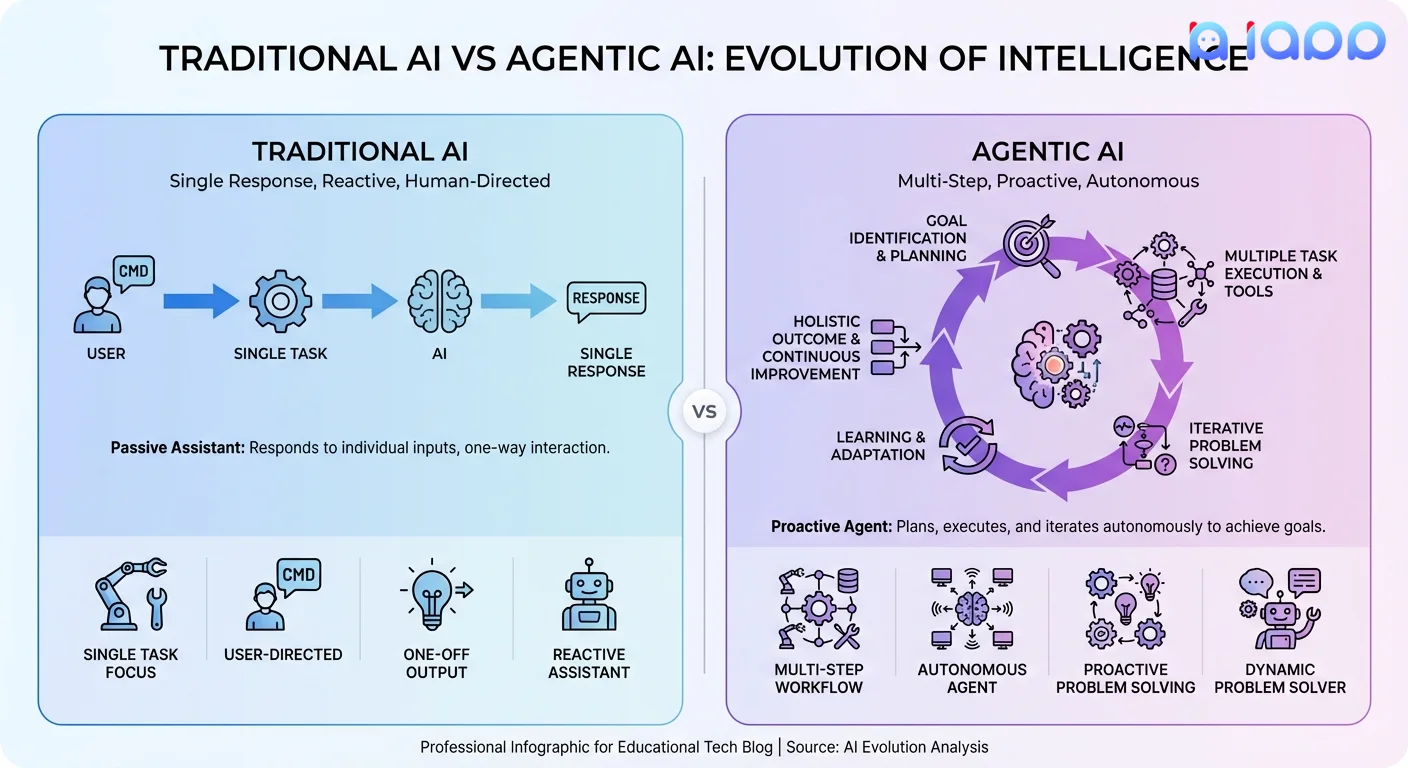
ความแตกต่างสำคัญ
| ด้าน | AI แบบดั้งเดิม | Agentic AI |
|---|---|---|
| การโต้ตอบ | Prompt เดียว → ตอบครั้งเดียว | เป้าหมาย → หลายการกระทำอัตโนมัติ |
| พฤติกรรม | ตอบโต้ (รอ input) | เชิงรุก (ริเริ่มเอง) |
| ความซับซ้อนของงาน | งานเดี่ยว แยกส่วน | หลายขั้นตอน เชื่อมโยงกัน |
| การใช้เครื่องมือ | จำกัดหรือไม่มี | มากมาย (APIs, ค้นหา, โค้ด ฯลฯ) |
| การตัดสินใจ | มนุษย์กำหนด | อัตโนมัติภายในขอบเขต |
| การเรียนรู้ | คงที่ในแต่ละเซสชัน | ปรับตัวและพัฒนาระหว่างทำงาน |
| ความต่อเนื่อง | จบหลังตอบ | ทำต่อจนบรรลุเป้าหมาย |
ประเภทของระบบ Agentic AI
1. ระบบ Single-Agent
AI agent หนึ่งตัวทำงานอิสระเพื่อทำงานให้เสร็จ
- ตัวอย่าง: ผู้ช่วยเขียนโค้ดที่เขียน ทดสอบ และแก้บัค
- กรณีใช้งาน: เพิ่มผลผลิตส่วนบุคคล ระบบอัตโนมัติง่ายๆ
2. ระบบ Multi-Agent
AI agents หลายตัวร่วมมือกัน แต่ละตัวมีบทบาทเฉพาะทาง
- ตัวอย่าง: ทีมที่มี agent "นักวิจัย" agent "นักเขียน" และ agent "ผู้ตรวจสอบ"
- กรณีใช้งาน: โปรเจกต์ซับซ้อน กระบวนการสร้างเนื้อหา
3. ระบบ Hierarchical Agent
Agents จัดเป็นลำดับชั้นมี agent ผู้จัดการและ agent ผู้ปฏิบัติ
- ตัวอย่าง: Agent หัวหน้าทีมมอบหมายงานให้ sub-agents เฉพาะทาง
- กรณีใช้งาน: ระบบอัตโนมัติระดับองค์กร การดำเนินงานขนาดใหญ่
4. Reactive Agents
Agents ที่ตอบสนองต่อการเปลี่ยนแปลงสภาพแวดล้อมแบบเรียลไทม์
- ตัวอย่าง: บอทเทรดที่ตอบสนองต่อสภาวะตลาด
- กรณีใช้งาน: การตรวจสอบ การตัดสินใจแบบเรียลไทม์
5. Deliberative Agents
Agents ที่วางแผนอย่างละเอียดก่อนลงมือทำ
- ตัวอย่าง: AI วางแผนกลยุทธ์สำหรับการตัดสินใจทางธุรกิจ
- กรณีใช้งาน: การแก้ปัญหาซับซ้อน การวิจัย
วงจร Agentic AI
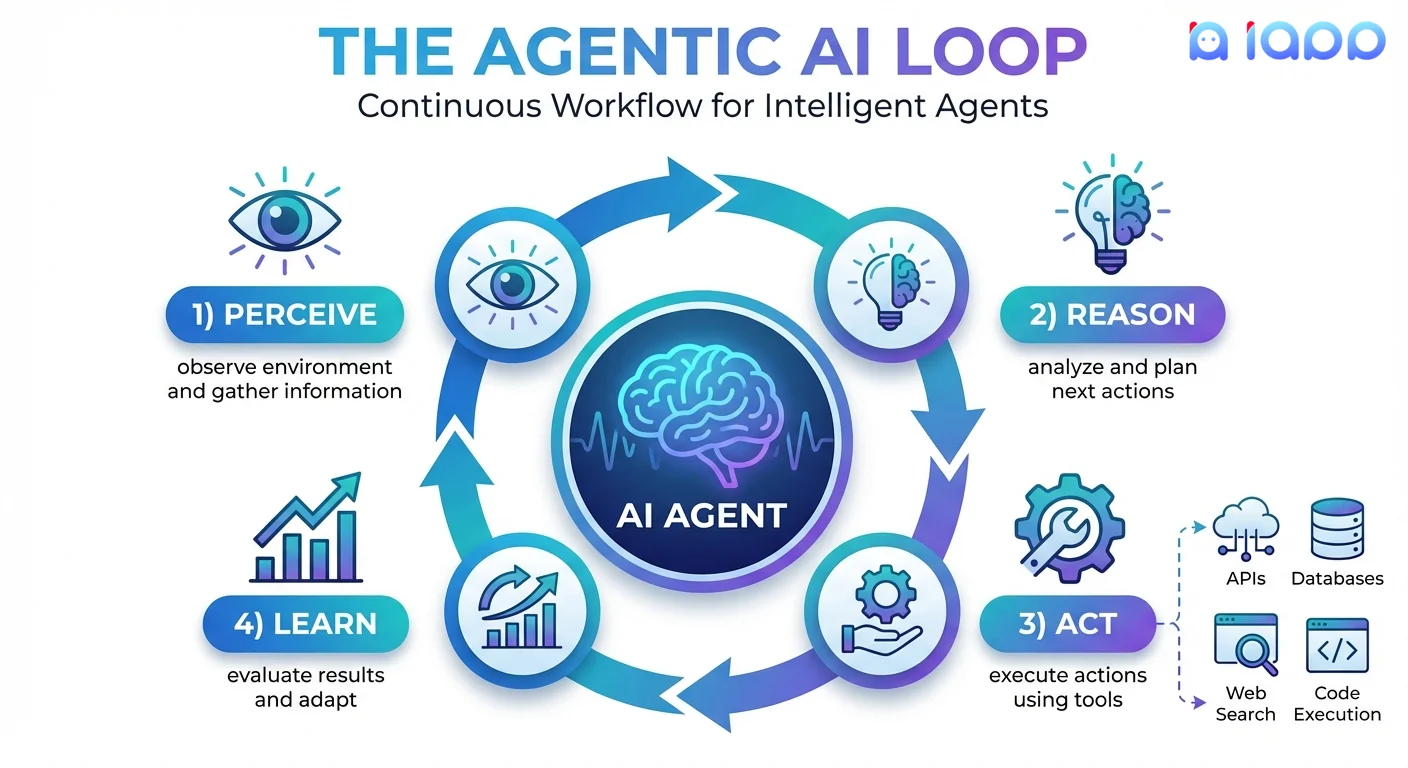
Agentic AI ทำงานในวงจรต่อเนื่อง:
1. รับรู้ (Perceive)
Agent สังเกตสภาพแวดล้อมและรวบรวมข้อมูล:
- อ่านคำขอของผู้ใช้
- ตรวจสอบแหล่งข้อมูล
- ตรวจสอบผลลัพธ์จากเครื่องมือ
2. ให้เหตุผล (Reason)
Agent วิเคราะห์สถานการณ์และวางแผน:
- ทำความเข้าใจเป้าหมาย
- แบ่งงานซับซ้อนออกเป็นส่วนย่อย
- ตัดสินใจว่าจะใช้เครื่องมือใด
- วางแผนลำดับการกระทำ
3. ลงมือทำ (Act)
Agent ดำเนินการโดยใช้เครื่องมือที่มี:
- เรียก APIs
- ค้นหาเว็บ
- เขียนและรันโค้ด
- สื่อสารกับระบบอื่น
4. เรียนรู้ (Learn)
Agent ประเมินผลลัพธ์และปรับตัว:
- ตรวจสอบว่าบรรลุเป้าหมายหรือไม่
- เรียนรู้จากข้อผิดพลาด
- ปรับกลยุทธ์ถ้าจำเป็น
- พัฒนาสำหรับงานในอนาคต
วงจรนี้ดำเนินต่อไปจนกว่าจะบรรลุเป้าหมายหรือ agent พิจารณาว่าไม่สามารถดำเนินการต่อได้
คำศัพท์ AI สำคัญที่ควรรู้ (อธิบายศัพท์เทคนิค)
1. Agent (ตัวแทน)
คืออะไร: ระบบ AI ที่สามารถรับรู้สภาพแวดล้อม ตัดสินใจ และดำเนินการได้เอง
เปรียบเทียบง่ายๆ: คิดถึงหุ่นยนต์ดูดฝุ่น มันรับรู้ห้อง ตัดสินใจว่าจะทำความสะอาดตรงไหน ลงมือทำโดยเคลื่อนที่และดูดฝุ่น และปรับตัวเมื่อชนสิ่งกีดขวาง
ในบริบท AI: LLM ที่มีความสามารถใช้เครื่องมือ ตัดสินใจ และดำเนินแผนหลายขั้นตอน
2. Tool Calling / Function Calling (การเรียกใช้เครื่องมือ)
คืออะไร: ความสามารถของ AI ในการใช้เครื่องมือภายนอกเช่น APIs, ฐานข้อมูล หรือการรันโค้ด
เปรียบเทียบง่ายๆ: เหมือนเชฟที่สามารถใช้เครื่องมือครัวต่างๆ (มีด เตา เครื่องปั่น) เพื่อเตรียมอาหาร
ตัวอย่าง: Agent เรียก API สภาพอากาศ จากนั้น API จองที่พัก จากนั้น API ชำระเงิน เพื่อวางแผนทริปของคุณ
3. Chain of Thought (CoT) - สายความคิด
คืออะไร: เทคนิคการให้เหตุผลที่ AI อธิบายความคิดทีละขั้นตอนก่อนจะสรุปผล
เปรียบเทียบง่ายๆ: เหมือนการแสดงวิธีทำโจทย์คณิตศาสตร์แทนที่จะให้แค่คำตอบ
ทำไมจึงสำคัญ: ช่วยให้ agents ตัดสินใจได้ดีขึ้นและให้มนุษย์ตรวจสอบเหตุผลได้
4. ReAct (Reasoning + Acting) - ให้เหตุผล + ลงมือทำ
คืออะไร: กรอบการทำงานที่ AI สลับระหว่างการให้เหตุผลว่าจะทำอะไรและการลงมือทำ
เปรียบเทียบง่ายๆ: "คิด แล้วทำ แล้วคิดอีกครั้ง" - เหมือนนักหมากรุกที่วิเคราะห์ เดิน แล้ววิเคราะห์ใหม่
รูปแบบ: ความคิด → การกระทำ → การสังเกต → ความคิด → การกระทำ → ...
5. Orchestration (การประสานงาน)
คืออะไร: การประสานงานและจัดการ AI agents หลายตัวหรือเครื่องมือที่ทำงานร่วมกัน
เปรียบเทียบง่ายๆ: เหมือนวาทยากรนำวงออร์เคสตรา - ทำให้เครื่องดนตรีทุกชิ้น (agents) เล่นประสานกัน
ทำไมจึงสำคัญ: งานซับซ้อนมักต้องการ agents เฉพาะทางหลายตัวทำงานร่วมกัน
ทำไม Agentic AI จึงสำคัญ
1. ทำงานซับซ้อนอัตโนมัติ
ระบบอัตโนมัติแบบดั้งเดิมจัดการงานง่ายๆ ซ้ำๆ Agentic AI สามารถทำงานซับซ้อนที่ต้องการ:
- การตัดสินใจ
- การจัดการข้อยกเว้น
- การปรับตัวตามสถานการณ์ที่เปลี่ยน
- การประสานงานหลายระบบ
2. ลดคอขวดจากมนุษย์
กระบวนการธุรกิจหลายอย่างหยุดชะงักรอการตัดสินใจของมนุษย์ Agentic AI สามารถ:
- จัดการการตัดสินใจประจำวันได้เอง
- ส่งต่อเฉพาะกรณีที่ซับซ้อนจริงๆ
- ทำงาน 24/7 โดยไม่เหนื่อยล้า
3. ขยายความเชี่ยวชาญ
ความรู้จากผู้เชี่ยวชาญสามารถฝังใน agents:
- Legal agents ที่เข้าใจกฎหมายไทย
- Medical agents ที่ช่วยวินิจฉัย
- Financial agents ที่วิเคราะห์การลงทุน
4. เปิดทางให้ความสามารถใหม่
สิ่งที่เป็นไปไม่ได้กลายเป็นไปได้:
- บริการส่วนบุคคลในระดับใหญ่
- ระบบที่ปรับตัวแบบเรียลไทม์
- ระบบอัตโนมัติการวิจัยที่ซับซ้อน
Agentic AI แก้ปัญหาอะไรได้บ้าง?
| ปัญหา | โซลูชันแบบเดิม | โซลูชัน Agentic AI |
|---|---|---|
| บริการลูกค้าหลายขั้นตอน | พนักงานจัดการทีละขั้น | AI agent แก้ไขตั้งแต่ต้นจนจบ |
| วิเคราะห์ข้อมูลและทำรายงาน | นักวิเคราะห์ query และจัดรูปแบบด้วยมือ | Agent รวบรวม วิเคราะห์ และสร้างรายงาน |
| พัฒนาซอฟต์แวร์ | นักพัฒนาเขียน ทดสอบ แก้บัค | Agent เขียนโค้ด ทดสอบ และแก้ไขได้เอง |
| วิจัยและสังเคราะห์ข้อมูล | ค้นหาด้วยมือหลายชั่วโมง | Agent ค้นหา อ่าน และสังเคราะห์ |
| ประมวลผลเอกสาร | ตรวจสอบและดึงข้อมูลด้วยมือ | Agent อ่าน เข้าใจ และประมวลผล |
| การนัดหมายและประสานงาน | อีเมลไปมา | Agent เจรจาและนัดหมาย |
Agentic AI ทำงานอย่างไร
สถาปัตยกรรม
-
Large Language Model (สมอง)
- เข้าใจภาษาธรรมชาติ
- ให้เหตุผลเกี่ยวกับงาน
- สร้างแผนและคำตอบ
-
ระบบความจำ
- ระยะสั้น: บทสนทนา/งานปัจจุบัน
- ระยะยาว: ประสบการณ์ที่ผ่านมา ความชอบของผู้ใช้
-
ห้องสมุดเครื่องมือ
- APIs และ integrations
- สภาพแวดล้อมรันโค้ด
- การเข้าถึงฐานข้อมูล
- ความสามารถท่องเว็บ
-
ชั้นประสานงาน
- จัดการวงจร agent
- จัดการข้อผิดพลาดและลองใหม่
- ประสานงาน agents หลายตัว
ตัวอย่างการทำงาน
ผู้ใช้: "วิเคราะห์ข้อมูลยอดขายของเราและสร้างพรีเซนเทชัน"

Agent คิด:
1. ฉันต้องเข้าถึงฐานข้อมูลยอดขาย
2. จากนั้นวิเคราะห์แนวโน้มและรูปแบบ
3. สร้าง insights และภาพประกอบ
4. สร้างพรีเซนเทชันพร้อมข้อค้นพบ

Agent ดำเนินการ:
→ [เครื่องมือ: ฐานข้อมูล] Query ข้อมูลยอดขาย 12 เดือนที่ผ่านมา
→ [เครื่องมือ: วิเคราะห์] คำนวณแนวโน้ม อัตราเติบโต สินค้าขายดี
→ [เครื่องมือ: สร้างภาพ] สร้างกราฟและแผนภูมิ
→ [เครื่องมือ: พรีเซนเทชัน] สร้างสไลด์พร้อม insights
→ [ผลลัพธ์] "นี่คือพรีเซนเทชันยอดขายของคุณพร้อม insights สำคัญ..."
Agentic AI ในประเทศไทย: การใช้งานจริง
1. ระบบอัตโนมัติบริการลูกค้าภาษาไทย
ใช้ OpenThai Chinda เป็นสมอง ธุรกิจสามารถสร้าง agents ที่:
- เข้าใจความละเอียดอ่อนของภาษาไทย
- จัดการข้อร้องเรียนลูกค้าตั้งแต่ต้นจนจบ
- ส่งต่อกรณีซับซ้อนอย่างเหมาะสม
- ดำเนินการคืนเงินและเปลี่ยนสินค้าได้เอง
2. กระบวนการประมวลผลเอกสารไทย
รวม AI agents กับ Thai OCR:
- Agent รับภาพเอกสาร
- ใช้ OCR ดึงข้อความภาษาไทย
- ตรวจสอบข้อมูลกับฐานข้อมูล
- ส่งต่อไปยังแผนกที่เหมาะสม
- ติดตามรายการที่ค้างอยู่
3. ผู้ช่วยวิจัยกฎหมายไทย
ใช้ Thanoy Legal AI:
- Agent รับคำถามทางกฎหมาย
- ค้นหากฎหมายและคำพิพากษาที่เกี่ยวข้อง
- วิเคราะห์การประยุกต์ใช้กับกรณี
- สร้างสรุปและข้อเสนอแนะทางกฎหมาย
4. Agent ธุรกิจหลายภาษา
รวม Translation API กับ LLMs:
- Agent สื่อสารกับลูกค้าในภาษาใดก็ได้
- แปลเอกสารภายในทันที
- ประสานงานการดำเนินงานระหว่างประเทศ
- จัดการคำถามข้ามพรมแดน
5. Agent ภาษาไทยผ่านเสียง
รวม Speech-to-Text และ Text-to-Speech:
- Agent รับคำสั่งเสียงภาษาไทย
- ประมวลผลคำขอด้วยการให้เหตุผล AI
- ตอบกลับด้วยเสียงภาษาไทยที่เป็นธรรมชาติ
- ทำให้ระบบอัตโนมัติไม่ต้องใช้มือได้
สร้าง Agentic AI กับ iApp
iApp Technology ให้ส่วนประกอบสำหรับสร้าง Agentic AI ในประเทศไทย:
ส่วนประกอบที่มี
| ส่วนประกอบ | ผลิตภัณฑ์ iApp | บทบาทใน Agent |
|---|---|---|
| การเข้าใจภาษา | OpenThai Chinda | สมองสำหรับงานภาษาไทย |
| การให้เหตุผลขั้นสูง | DeepSeek-V3.2 | การให้เหตุผลซับซ้อนและเขียนโค้ด |
| ความรู้กฎหมาย | Thanoy Legal AI | ความเชี่ยวชาญกฎหมายไทย |
| อ่านเอกสาร | Thai OCR APIs | อ่านเอกสารไทย |
| การแปล | Translation API | ความสามารถหลายภาษา |
| อินเตอร์เฟซเสียง | Speech APIs | รับ/ส่งเสียง |
ตัวอย่าง: สร้าง Agent บริการลูกค้าภาษาไทย
import requests

def thai_customer_agent(customer_query):
    # ขั้นที่ 1: เข้าใจคำถามด้วย Chinda
    understanding = call_chinda_api(
        f"วิเคราะห์คำถามลูกค้านี้และระบุ: intent, sentiment, actions ที่ต้องทำ: {customer_query}"
    )

    # ขั้นที่ 2: ตัดสินใจการกระทำตาม intent
    if "refund" in understanding['intent']:
        # ตรวจสอบสถานะออเดอร์ ดำเนินการคืนเงิน ฯลฯ
        result = process_refund_workflow(understanding)
    elif "complaint" in understanding['intent']:
        # บันทึกข้อร้องเรียน ส่งต่อถ้าจำเป็น
        result = handle_complaint_workflow(understanding)
    else:
        # คำถามทั่วไป
        result = answer_inquiry(understanding)

    # ขั้นที่ 3: สร้างคำตอบภาษาไทย
    response = call_chinda_api(
        f"สร้างคำตอบภาษาไทยสุภาพสำหรับ: {result}"
    )

    return response

def call_chinda_api(prompt):
    response = requests.post(
        'https://api.iapp.co.th/v3/llm/deepseek-v4/chat/completions',
        headers={
            'apikey': 'YOUR_API_KEY',
            'Content-Type': 'application/json'
        },
        json={
            'model': 'deepseek-v4-flash',
            'messages': [{'role': 'user', 'content': prompt}],
            'max_tokens': 1024
        }
    )
    return response.json()
เริ่มต้นกับ Agentic AI
ขั้นที่ 1: เริ่มง่ายๆ
เริ่มด้วยระบบ single-agent สำหรับงานเฉพาะ:
- ทำงานอัตโนมัติทีละ workflow
- ใช้ Chinda สำหรับงานภาษาไทย
- เพิ่มเครื่องมือทีละอย่าง
ขั้นที่ 2: เพิ่มเครื่องมือ
ขยายความสามารถ agent ด้วย iApp APIs:
- OCR สำหรับประมวลผลเอกสาร
- Translation สำหรับรองรับหลายภาษา
- Speech สำหรับอินเตอร์เฟซเสียง
ขั้นที่ 3: ขยายขนาด
เมื่อมีความมั่นใจมากขึ้น สร้างระบบที่ซับซ้อนขึ้น:
- สถาปัตยกรรม multi-agent
- Workflows ข้ามฟังก์ชัน
- ระบบอัตโนมัติระดับองค์กร
แหล่งข้อมูล
- รับสิทธิ์เข้าถึง API: การจัดการ API Key
- ลอง Chinda: OpenThai Chinda Demo
- สำรวจผลิตภัณฑ์: iApp APIs ทั้งหมด
- เข้าร่วมชุมชน: Discord
อนาคตของ Agentic AI
เทรนด์ที่ควรจับตา
- Agents อิสระมากขึ้น: AI จัดการงานซับซ้อนมากขึ้นโดยมีการกำกับจากมนุษย์น้อยลง
- Agents เฉพาะทาง: Agents เฉพาะด้านกฎหมาย การแพทย์ การเงิน
- Marketplaces สำหรับ Agents: Agents สำเร็จรูปที่คุณสามารถใช้ได้ทันที
- การสื่อสารระหว่าง Agent: ระบบ AI เจรจาและร่วมมือกัน
- Agents ภาษาไทย: ความสามารถภาษาไทยที่ซับซ้อนขึ้น
ทำไมธุรกิจไทยควรเริ่มตอนนี้
- ความได้เปรียบของผู้นำ: ธุรกิจที่นำ Agentic AI มาใช้ตอนนี้จะเป็นผู้นำในอุตสาหกรรม
- ลดค่าใช้จ่าย: ทำงานราคาแพงที่ใช้คนให้เป็นอัตโนมัติ
- ขยายการดำเนินงาน: รองรับลูกค้ามากขึ้นโดยไม่ต้องเพิ่มพนักงานตามสัดส่วน
- พร้อมให้บริการ 24/7: Agents ทำงานตลอดเวลา
- สร้างความแตกต่าง: มอบประสบการณ์ลูกค้าที่เหนือกว่า
สรุป
Agentic AI เป็นตัวแทนของการเปลี่ยนแปลงพื้นฐานจาก AI ที่ตอบคำถามเป็น AI ที่บรรลุเป้าหมาย มันไม่ใช่แค่เรื่องแชทบอทที่ฉลาดขึ้น - มันเกี่ยวกับระบบอัตโนมัติที่สามารถวางแผน ดำเนินการ และปรับตัว
สำหรับธุรกิจไทย การรวมความสามารถ AI ภาษาไทยของ iApp (Chinda, Thanoy, Thai OCR) กับสถาปัตยกรรม Agentic AI เปิดโอกาสที่ไม่เคยมีมาก่อนสำหรับระบบอัตโนมัติและนวัตกรรม
พร้อมสร้าง AI agent ตัวแรกของคุณหรือยัง? สมัครฟรี และเริ่มต้นด้วย OpenThai Chinda วันนี้!
มีคำถาม? เข้าร่วม Discord Community ของเราหรืออีเมลมาที่ support@iapp.co.th
iApp Technology Co., Ltd. บริษัทเทคโนโลยี AI ชั้นนำของประเทศไทย